Buying a property is one of those decisions that seems simple—until you reach the question almost everyone asks:
Should I buy a house or an apartment?
The truth is, there’s no universal answer.
The best option doesn’t depend solely on your budget. It depends on how you live, how much time you spend at home, how important security is to you, how much maintenance you’re willing to take on, and most importantly, what you expect that property to do for you over the coming years.
For decades, owning a house was considered the ultimate goal. More land meant stability, wealth, and long-term financial success.
But the market has changed.
Cities have expanded, commute times have increased, professional lifestyles have become more dynamic, and people have started valuing something that used to seem secondary: daily quality of life.
That’s why apartments are gaining popularity among young professionals, investors, couples, and families who want to live close to where life actually happens.
Today, the question is no longer simply which property offers more space.
The real question is:
Which property fits the life you want to live?
The Real Estate Market Is Changing
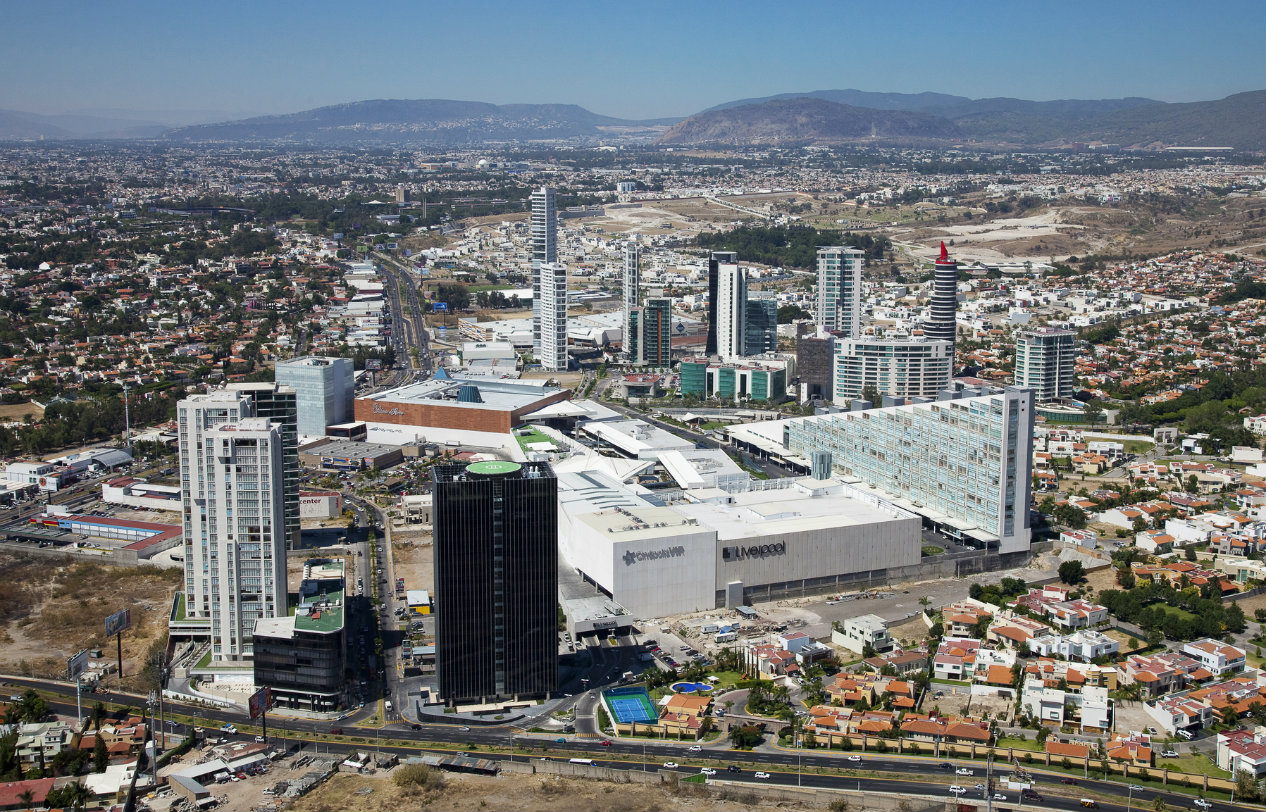
Mexico is experiencing a significant transformation in the way people live in cities.
According to trends observed by developers, real estate consultancies, and urban planning organizations, vertical housing continues to grow in cities such as Guadalajara, Monterrey, Querétaro, Mérida, and Mexico City.
Why?
Because it is becoming increasingly difficult to find well-located land within consolidated urban areas.
And when land becomes scarce, vertical developments become the most efficient way to bring housing closer to employment centers, entertainment districts, universities, and essential services.
As a result, many buyers are beginning to rethink a question that once seemed obvious:
Is it better to own a large house far from everything—or a well-located apartment close to everything?
The True Cost of Owning a House
When people compare properties, they usually focus only on the purchase price.
But the real cost of ownership goes much further.
A house comes with ongoing responsibilities:
- Exterior maintenance
- Painting and façade upkeep
- Waterproofing
- Landscaping and gardening
- Fence and wall repairs
- Plumbing systems
- Private security services (when needed)
While every property is different, these expenses generally increase over time.
There’s also a hidden cost many people overlook: time.
Managing a property requires constant attention.
And for many modern families, time has become one of their most valuable resources.
Why Are So Many People Choosing Apartments?
Because they offer something that wasn’t as important twenty years ago:
Convenience.
Today, many people spend most of their day working, studying, running businesses, or moving around the city.
When they get home, they don’t necessarily want to spend their weekends mowing lawns, coordinating repairs, or dealing with structural issues.
They want to relax.
That’s why apartments have become increasingly attractive for modern lifestyles—especially when they are located in areas with strong connectivity and nearby services.
Security: One of the Most Important Factors
If we look at why many people are moving toward vertical developments, security consistently ranks near the top.
It’s easy to understand why.
A traditional house often relies on individual security systems:
- Cameras
- Alarm systems
- Electric fencing
- Private security services
Many apartment developments, however, are designed from the beginning with:
- Controlled access points
- 24/7 security personnel
- Monitoring of common areas
- Reception and concierge services
- Visitor access protocols
The result is something incredibly valuable:
Peace of mind.
Especially for people who travel frequently, live alone, or spend most of the day away from home.
Location Is Becoming the New Luxury
Years ago, luxury was measured in square footage.
Today, luxury is increasingly measured in something else:
Time.
Being able to leave your home and arrive at your office, gym, university, or favorite restaurant within minutes has a tremendous impact on quality of life.
That’s why many urban areas are experiencing growing demand for vertical housing.
People want to live close to:
- Employment centers
- Universities
- Restaurant districts
- Hospitals
- Cultural venues
- Public transportation
And apartments are often the housing type best positioned to take advantage of these strategic locations.
Amenities Have Changed the Equation
This is where the comparison becomes interesting.
For years, people assumed a house always offered more value.
But modern developments have introduced amenities that would be extremely expensive to replicate in a private residence.
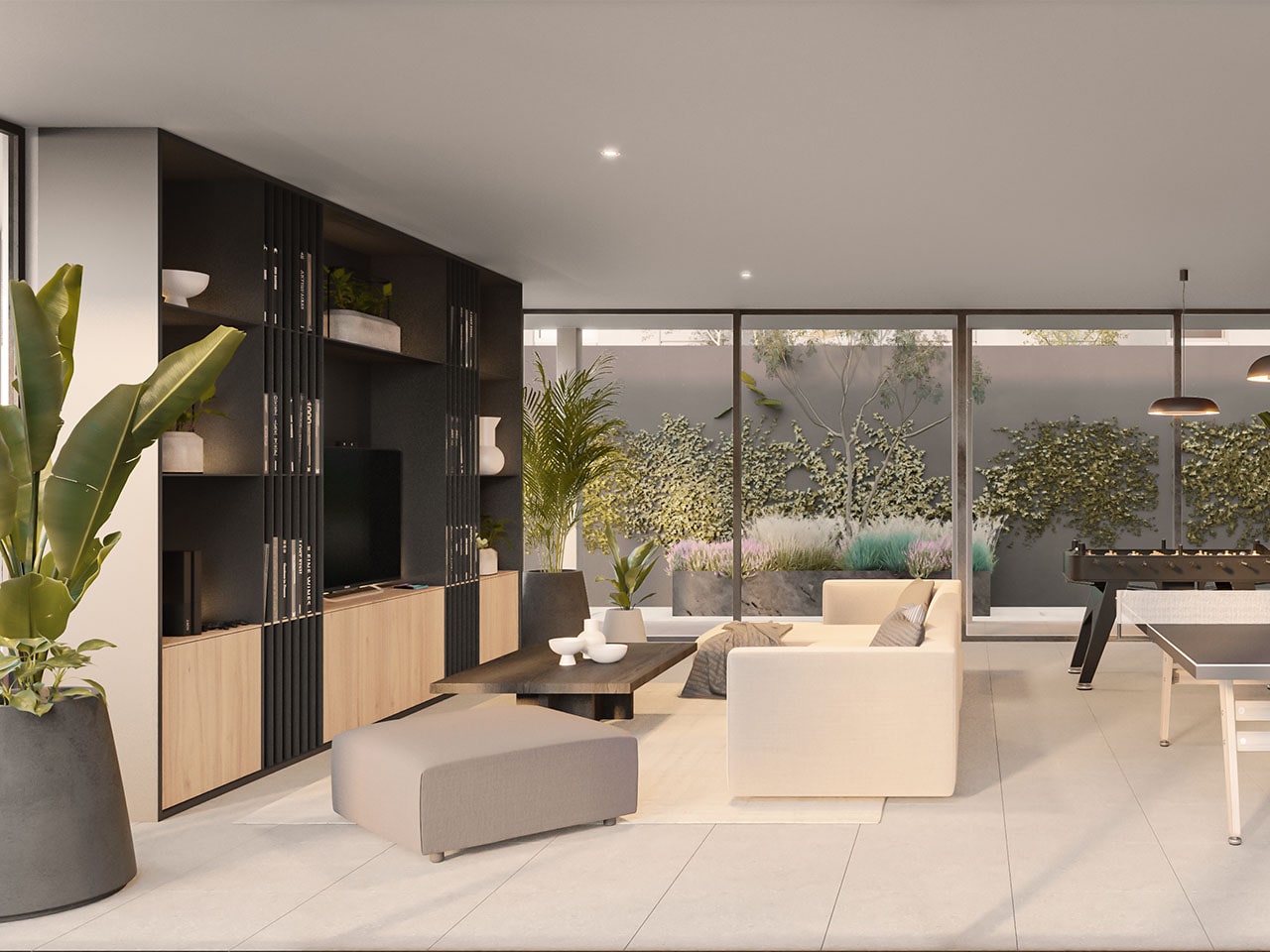
Today, many apartment communities include:
- Fitness centers
- Coworking spaces
- Rooftop terraces
- Social lounges
- Event rooms
- Pet-friendly areas
- Swimming pools
- Children’s spaces
When these amenities are shared among residents, the individual cost is significantly lower than building and maintaining them privately.
That’s one reason many buyers now prefer access to premium shared amenities rather than assuming the full cost on their own.
What About Investment Potential?
From an investment perspective, the conversation changes.
At that point, it’s no longer just about where you want to live.
It’s about which asset is best positioned to respond to market demand.
Today, many cities are experiencing strong demand for apartments due to factors such as:
- Urban growth
- Workforce mobility
- University students
- Young professionals
- Relocated executives
- International investors
This creates a broad and diverse demand base.
Especially in strategic locations.
As a result, many investors see several advantages in well-located apartments:
- Greater liquidity
- Consistent rental demand
- Easier leasing opportunities
- Lower operational maintenance
- Long-term appreciation potential
So, Who Should Buy a House?
A house may still be the right choice for people who:
- Want large outdoor spaces
- Have bigger families
- Value maximum privacy
- Plan future expansions
- Intend to stay in the same location for many years
There is no wrong answer.
It simply serves different needs.
And Who Should Consider an Apartment?
Apartments are often ideal for people seeking:
- Urban mobility
- Enhanced security
- Lower maintenance responsibilities
- Proximity to services
- Integrated amenities
- Everyday convenience
- Investment opportunities
That’s exactly why demand for vertical housing continues to grow in major cities throughout Mexico.
Central: A Development Designed for the Way We Live Today
When we look at where the market is heading, one trend becomes clear:
People are looking for projects that combine location, connectivity, and functionality.
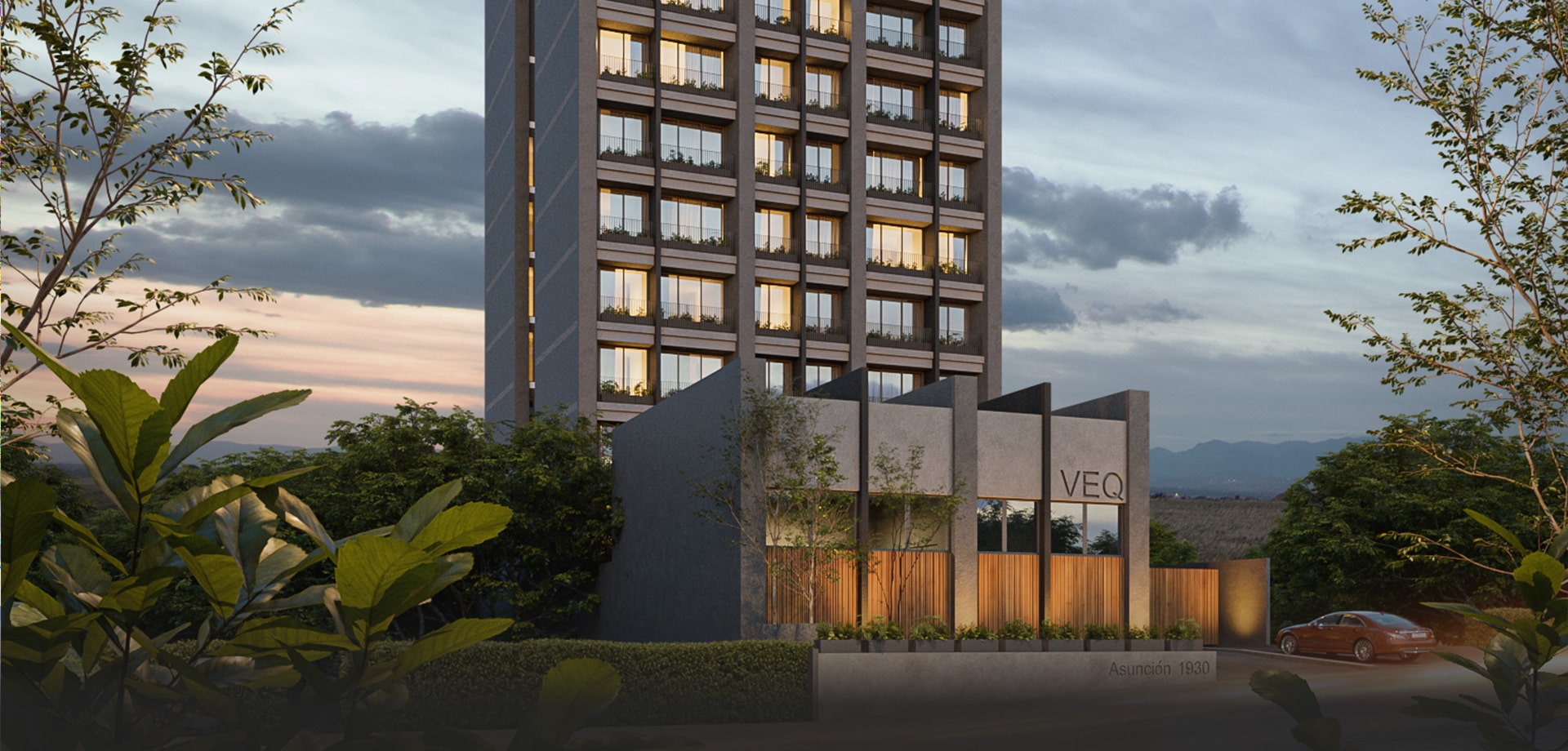
That’s precisely what Central, by Grupo VEQ, represents.
Located in a strategic area of Zapopan, the development provides quick access to universities, public transportation, cultural centers, and some of the city’s most important urban projects.
Its proximity to Auditorio Telmex, the light rail system, the University Cultural Center, and the innovation corridor promoted by the University of Guadalajara responds directly to what both residents and investors increasingly value:
Being close to where growth is happening.
Because in the end, an apartment isn’t just about the space you purchase.
It’s about the life you build around it.
The Best Property Isn’t the Biggest One. It’s the One That Works for You.
The house-versus-apartment debate will continue for years.
But today’s market is revealing something important:
People are no longer buying square footage alone.
They are buying:
- Time
- Convenience
- Location
- Experiences
That’s why vertical developments are playing an increasingly important role in growing cities.
Because when a property simplifies your routine, keeps you connected to what matters, and maintains strong market demand over time, it becomes much more than real estate.
It becomes a strategic decision.
CLICK HERE FORE INFORMATION