For many years, owning a large home was one of the main goals for many Mexican families. However, as lifestyles and personal priorities evolve, new housing needs have emerged, and the empty nesters choosing vertical condos trend is beginning to transform the way some people think about their homes.
When children grow up, start their own families, or move out independently, the home that worked perfectly for decades may no longer match the current needs of its residents.
This stage, commonly known as the “empty nest” phase, represents a transition where factors such as location, comfort, wellness, convenience, and easier maintenance become increasingly important.
Rather than looking for a larger property, some buyers begin to value functional spaces that allow them to enjoy a new stage of life with greater freedom and flexibility.
What Does It Mean to Be an Empty Nester?
The term Empty Nester refers to people whose children have left the family home to begin their own independent lives.
Although it is often associated with adults over the age of 50, this stage is not determined only by age. It is primarily related to a change in family dynamics and personal priorities.
During the years when children live at home, housing decisions are usually focused on:
- A greater number of bedrooms.
- Larger spaces for family gatherings.
- Gardens or outdoor areas.
- Proximity to schools.
- Spaces designed for family growth.
Over time, priorities may shift toward:
- Less maintenance.
- Better location.
- Greater security.
- Proximity to essential services.
- Spaces designed for enjoyment and comfort.
For this reason, the relationship between empty nesters and vertical condos represents a trend that reflects how people seek to adapt their homes to a new stage of life.
The Demographic Change Driving New Housing Needs in Mexico
The growth of this trend is connected to a broader demographic transformation.
Mexico is experiencing a gradual aging of its population. According to the Instituto Nacional de Estadística y Geografía (INEGI), the country’s age structure has changed over recent decades, increasing the participation of older adults within the total population.
This transformation creates new needs related to:
- Healthcare services.
- Urban mobility.
- Accessible spaces.
- New housing models.
The 2020 Population and Housing Census conducted by INEGI provides insight into how Mexico’s demographic composition continues to evolve, with an increasing presence of older adults.
Additionally, projections from the Consejo Nacional de Población (CONAPO) indicate that Mexico’s older adult population will continue growing in the coming decades, creating both challenges and opportunities for different sectors, including real estate.
The housing market of the future will need to respond to different life stages, not only young families or first-time buyers.

Why Are Some People Replacing Large Homes with Vertical Condos?
Moving from a large house to a vertical condo does not necessarily mean reducing quality of life.
In many cases, it represents a decision focused on comfort, functionality, and adapting the home to a new personal stage.
One of the main reasons behind this transition is reducing the responsibilities associated with maintaining a larger property.
Gardens, outdoor areas, and unused spaces may require time and resources that some people prefer to dedicate to other activities.
Location also plays an important role.
Living closer to:
- Hospitals.
- Restaurants.
- Shopping centers.
- Cultural spaces.
- Everyday services.
can simplify daily routines and provide greater independence.
Another relevant factor is the sense of security and convenience offered by many modern vertical developments.
Shared spaces, professional administration, and common areas can create a more comfortable residential experience.
Many buyers also appreciate the opportunity to become part of a community. Terraces, social areas, and shared spaces allow residents to maintain personal connections while preserving privacy.
Together, these elements explain why some empty nesters are considering vertical condos as an alternative for improving their lifestyle during this stage.
Real Estate Downsizing: Living Better with a More Functional Space
The concept of real estate downsizing has gained relevance among people who want to adapt their homes to a new stage of life.
Although it is often interpreted as simply “moving into a smaller space,” downsizing is actually a more strategic decision: choosing a home that better matches current needs, priorities, and lifestyle.
After many years living in a family home, some people begin to question whether their current property’s size, location, and maintenance requirements still make sense.
Common questions during this process include:
- Do I really use all the spaces in my current home?
- Does maintaining my property require more time and effort than I would like?
- Does my current location make my daily activities easier?
- Is my home prepared for my next stage of life?
The answers to these questions may lead some homeowners to consider vertical condos as a more practical alternative.
In this context, empty nesters and vertical condos represent a trend where the goal is not to reduce quality of life, but rather to choose a home that provides greater efficiency and comfort.
The change is about replacing unused spaces with elements that add more everyday value:
- Better location.
- Greater security.
- Nearby services.
- Shared amenities.
- Lower maintenance responsibilities.
Downsizing is not about having less.
It is about having a home that better supports the lifestyle someone wants to enjoy.

Vertical Housing and Active Aging: A New Way of Understanding Home
The perception of aging has changed.
Today, many people want to remain active, independent, and connected to their surroundings for longer periods of time.
Because of this, the concept of housing is also evolving.
The Organización Mundial de la Salud explains that healthy aging depends on factors such as autonomy, social participation, and environments that support people’s well-being.
From this perspective, a suitable home should not only provide shelter; it should also support daily activities and contribute to a better quality of life.
For this reason, many modern vertical developments incorporate features that appeal to buyers seeking comfort and wellness:
- Connected locations.
- Functional layouts.
- Shared amenities.
- Integrated services.
- Social spaces.
The home is no longer viewed only as a physical property.
It becomes part of the lifestyle and experience of the people who live there.
What Are Empty Nesters Looking for in a Home Today?
One of the most important factors when choosing a new property is strategic location.
Having nearby access to:
- Healthcare services.
- Shopping.
- Restaurants.
- Cultural activities.
- Recreation areas.
can make daily life easier and help maintain independence.
Connectivity is also increasingly important.
Access to major roads and transportation options allows residents to reduce travel times and enjoy their surroundings more efficiently.
Another key factor is property functionality.
Buyers in this stage often prioritize:
- Practical layouts.
- Comfortable spaces.
- Easy maintenance.
- Efficient designs.
Beyond size, the home should respond to a new way of living, where wellness, comfort, and quality of life become central priorities.
The Role of Vertical Housing Among New Buyer Profiles
For many years, condos were mainly associated with young professionals or people purchasing their first property.
However, this perception has changed.
Today, vertical housing serves different types of buyers:
- People looking to simplify their lifestyle.
- Buyers who prefer urban locations.
- Small families.
- Adults seeking a more practical home.
- Investors looking for properties in strategic areas.
The difference is that today’s purchasing decisions are not based only on the size of a property.
They are increasingly influenced by how a home improves everyday life.
A well-designed condo can provide:
- Convenience.
- Better connectivity.
- Lower maintenance.
- Access to services.
- A stronger sense of community.
Why Are Established Neighborhoods Attractive to Empty Nesters?
A common characteristic among people considering a housing change is their preference for mature and consolidated neighborhoods.
These locations often provide advantages such as:
- Existing infrastructure.
- Greater availability of services.
- Better connectivity.
- Commercial activity.
- Proximity to important city destinations.
The Sociedad Hipotecaria Federal (SHF) highlights that factors such as location, property characteristics, and market conditions influence housing value behavior.
For this reason, choosing a strategic location can become one of the most important decisions when searching for a new home.
A well-positioned property can offer benefits beyond the physical space itself, including convenience, lifestyle advantages, and long-term value preservation.
How Grupo VEQ Responds to New Ways of Living
The current real estate market requires developments capable of adapting to different lifestyles and life stages.
Grupo VEQ develops projects considering factors such as:
- Strategic location.
- Architectural design.
- Quality of spaces.
- Connectivity.
- Residential experience.
Some developments that incorporate characteristics valued by buyers seeking comfort, location, and wellness include:
Lírica Towers – Guadalajara / Zapopan
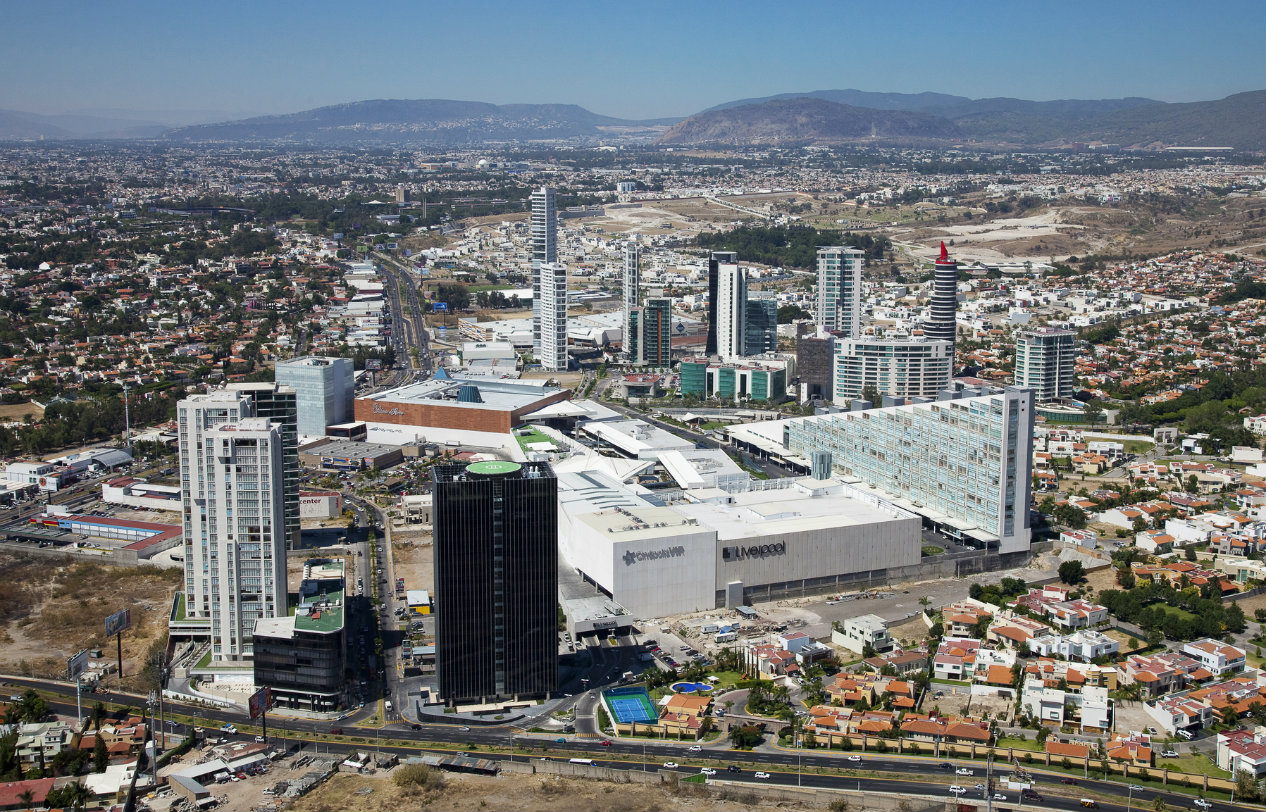
Located in an area with strong business, commercial, and university activity, Lírica Towers represents an alternative for people seeking connectivity and proximity to different services.
Its location allows residents to maintain an active urban lifestyle without depending on long commuting times.
For buyers looking for a practical and connected lifestyle, these characteristics become important advantages.
For investors, the same elements may support rental demand among professionals and students.
VEQ Brasilia – Guadalajara
Located in Providencia, one of Guadalajara’s established neighborhoods, VEQ Brasilia offers proximity to:
- Restaurants.
- Shopping.
- Services.
- Urban conveniences.
For buyers who value living in an area with developed infrastructure, location becomes one of the project’s strongest attributes.
A consolidated neighborhood can provide a balance between comfort, accessibility, and long-term property appeal.
Alana Wellness Living – Nuevo Vallarta
Its wellness-focused concept responds to a growing trend where buyers seek spaces that combine:
- Relaxation.
- Comfort.
- Lifestyle experiences.
- Well-being.
The combination of location, surroundings, and lifestyle allows the project to appeal to buyers looking for a different type of residential experience.
Before Replacing a House with a Vertical Condo: Key Factors to Consider
Moving to a new home after many years represents an important decision, especially when the current property holds family memories and represents years of personal investment.
For this reason, choosing a new space requires evaluating both present needs and future expectations.
Factors such as:
- Location.
- Layout.
- Services.
- Maintenance requirements.
- Lifestyle preferences.
can directly influence the residential experience.
It is also important to analyze the property from a long-term value perspective by considering elements such as:
- Demand in the area.
- Quality of the development.
- Location advantages.
- Potential for maintaining property value.
Ultimately, the best decision is the one that combines personal well-being with a sound financial strategy.
A new home should not only meet practical needs but also support the lifestyle someone wants to enjoy during the next stage of life.
Checklist for Empty Nesters Considering a Move to a Vertical Condo
Before choosing a new home, it is important to evaluate whether the property, location, and development truly respond to the needs of this new stage of life.
Consider the following points:
Lifestyle Adaptation
Does the property offer the comfort, layout, and spaces needed to enjoy everyday life?
A suitable home should match current routines and priorities, providing functionality without unnecessary spaces that require additional maintenance.
Strategic Location
Does the area provide convenient access to essential services and daily activities?
Evaluate whether the location offers:
- Healthcare services nearby.
- Shopping options.
- Restaurants.
- Cultural activities.
- Easy transportation connections.
A well-located property can contribute significantly to independence and quality of life.
Value of Amenities
Do the shared spaces and services truly improve the residential experience?
Review whether the development offers amenities that provide real benefits, such as:
- Wellness areas.
- Social spaces.
- Outdoor areas.
- Recreation spaces.
- Comfortable common areas.
The most valuable amenities are those that residents actually use and enjoy.
Easier Maintenance
Does the new home allow you to reduce daily responsibilities compared with your current property?
Consider whether the condo provides:
- Less maintenance.
- Professional administration.
- More efficient spaces.
- Greater convenience.
The objective is not simply to move into a smaller property, but to choose a home that better fits your lifestyle.
Long-Term Value
Do the property and location have characteristics that support value preservation over time?
Analyze:
- Neighborhood development.
- Demand in the area.
- Quality of construction.
- Reputation of the developer.
A thoughtful purchase should provide both lifestyle benefits and long-term value.
The Future of Housing: Homes Designed for Every Stage of Life
The empty nesters phenomenon reflects a broader transformation in the real estate market.
Today, people are not only looking for a place to live.
They are searching for spaces that support:
- Independence.
- Comfort.
- Connection.
- Convenience.
- Quality of life.
The traditional idea that a successful home must always be larger is changing.
For many buyers, the ideal property is not necessarily the biggest one, but the one that better matches their current lifestyle.
This shift is influencing the development of new residential projects that prioritize:
- Strategic locations.
- Functional designs.
- Community spaces.
- Accessible services.
- Lifestyle experiences.
Vertical housing has become an important response to changing demographics and new expectations among buyers.
Conclusion: Housing Evolves Along With Life Stages
The empty nesters and vertical condos phenomenon reflects a transformation in how many people understand the meaning of home.
After years of building a family and creating a personal legacy, priorities can change.
A home is no longer evaluated only by its size, but also by factors such as:
- Location.
- Functionality.
- Comfort.
- Convenience.
- Quality of life.
For some people, replacing a large house with a condo represents an opportunity to simplify responsibilities, live closer to essential services, and dedicate more time to experiences that matter.
The ideal home is not necessarily the largest one.
It is the one that supports the needs, goals, and lifestyle of each stage of life.
This trend also demonstrates that the real estate market must continue evolving toward developments capable of serving different buyer profiles.
With more than 20 years of experience and a presence in strategic Mexican cities, Grupo VEQ develops real estate projects that combine:
- Strategic locations.
- Architectural design.
- Functional spaces.
- Residential experiences designed for different lifestyles.
Are you considering replacing your current home with a more practical, connected, and lifestyle-oriented space?
Schedule a consultation with Grupo VEQ and discover the options available for your next stage.
SELECT HERE FOR MORE INFORMATION
References:
- Consejo Nacional de Población. (2024). Projections of the population of Mexico and the federal entities 2020–2070. General Secretariat of the National Population Council, Government of Mexico. https://www.gob.mx/conapo/acciones-y-programas/conciliacion-demografica-de-1950-a-2019-y-proyecciones-de-la-poblacion-de-mexico-y-de-las-entidades-federativas-2020-a-2070
- Instituto Nacional de Estadística y Geografía. (2021). 2020 Population and Housing Census: Main results. INEGI. https://www.inegi.org.mx/programas/ccpv/2020/
- World Health Organization. (2022). Ageing and health. https://www.who.int/es/news-room/fact-sheets/detail/ageing-and-health
- United Nations Human Settlements Programme (UN-Habitat). (2020). The New Urban Agenda Illustrated. https://unhabitat.org/es/the-new-urban-agenda-illustrated
- Sociedad Hipotecaria Federal. (2026). SHF Housing Price Index in Mexico, First Quarter 2026. Government of Mexico. https://www.gob.mx/shf/articulos/indice-shf-de-precios-de-la-vivienda-en-mexico-primer-trimestre-de-2026
- BBVA Research. (2026). Real Estate Situation Mexico. First Half 2026. https://www.bbvaresearch.com/publicaciones/mexico-situacion-inmobiliaria-primer-semestre-2026/
- Grupo VEQ. (2026). Real estate development portfolio. https://grupoveq.com/desarrollos/