When someone is looking to buy a condo, they usually evaluate factors such as:
- Location.
- Price.
- Layout.
- Square footage.
- Construction quality.
However, another element has gained increasing importance in purchasing decisions over recent years: condo amenities.
Amenities are additional spaces, services, or facilities that complement the residential experience within a real estate development.
Their purpose is not only to make a property more attractive visually, but also to improve:
- Functionality.
- Comfort.
- Convenience.
- Lifestyle quality.
Some common examples include:
- Swimming pools.
- Gyms.
- Rooftop terraces.
- Green areas.
- Event rooms.
- Coworking spaces.
- Kids’ playrooms.
- Wellness areas.
- Pet-friendly spaces.
- Social areas.
However, not all amenities create the same impact on property value.
A spectacular pool may attract attention during a property tour, but factors such as strategic location, architectural design, and spaces that solve everyday needs may have a greater influence on long-term value perception.
For this reason, understanding which amenities truly add value is essential for both homebuyers and real estate investors.
Amenities Have Evolved: From Exclusive Features to Functional Spaces
Years ago, amenities were mainly considered differentiating features within higher-end real estate developments.
Today, they are part of a new way of understanding residential living.
Buyers are no longer looking only for a place to sleep.
They are searching for homes where they can:
- Work.
- Relax.
- Exercise.
- Socialize.
- Enjoy daily activities.
This transformation is connected to lifestyle changes such as:
- Greater interest in wellness.
- New hybrid work models.
- Increased importance of personal time.
- Demand for nearby social spaces.
- Preference for residential communities.
According to ONU-Hábitat, modern urban environments should incorporate spaces that encourage social connection, accessibility, and quality of life among residents.
From this perspective, amenities are no longer simple additions.
They become tools that help create better residential experiences.

Do All Amenities Increase Property Value?
One of the most common questions among buyers is whether having more amenities automatically means owning a more valuable property.
The answer is:
Not necessarily.
Property value depends on a combination of factors, including:
- Location.
- Market demand.
- Development quality.
- Architectural design.
- Maintenance.
- Real estate market conditions.
The Sociedad Hipotecaria Federal (SHF) explains that elements such as location, physical characteristics of the property, and surrounding conditions influence housing value behavior.
Therefore, an amenity creates value when it responds to real market needs and is properly integrated into the development.
For example:
A gym that remains unused may have less impact than a well-designed coworking space in an area where many residents work remotely or follow hybrid schedules.
A beautiful rooftop terrace may attract attention, but a functional social space that encourages community interaction may generate greater long-term value.
The key factor is usefulness.
Amenities That Can Actually Increase the Perceived Value of a Condo
Although every market has different characteristics, certain amenities tend to have a stronger impact because they respond to current buyer expectations.
1. Wellness Spaces: A Growing Residential Trend
Wellness-focused amenities have gained importance in today’s real estate market.
Many buyers are looking for spaces that allow them to incorporate healthier habits without traveling long distances.
Examples include:
- Equipped gyms.
- Yoga areas.
- Relaxation spaces.
- Swimming pools.
- Gardens.
- Wellness zones.
These features can increase a property’s appeal because they directly influence the resident’s daily experience.
The concept of residential wellness has become especially relevant among buyers seeking balance between:
- Work.
- Rest.
- Personal life.
A development that supports well-being can create a stronger emotional connection with potential buyers.
2. Coworking Spaces: Amenities Designed for New Ways of Working
The way people work has changed significantly in recent years.
The growth of remote and hybrid work created a new need:
Having professional spaces without leaving the residential community.
For this reason, coworking spaces have become increasingly valuable amenities.
Their main benefits include:
- Reducing commuting time.
- Providing suitable spaces for meetings.
- Creating separation between personal and professional life.
- Improving productivity.
In areas with strong business activity or university communities, this type of amenity can become an important differentiator.
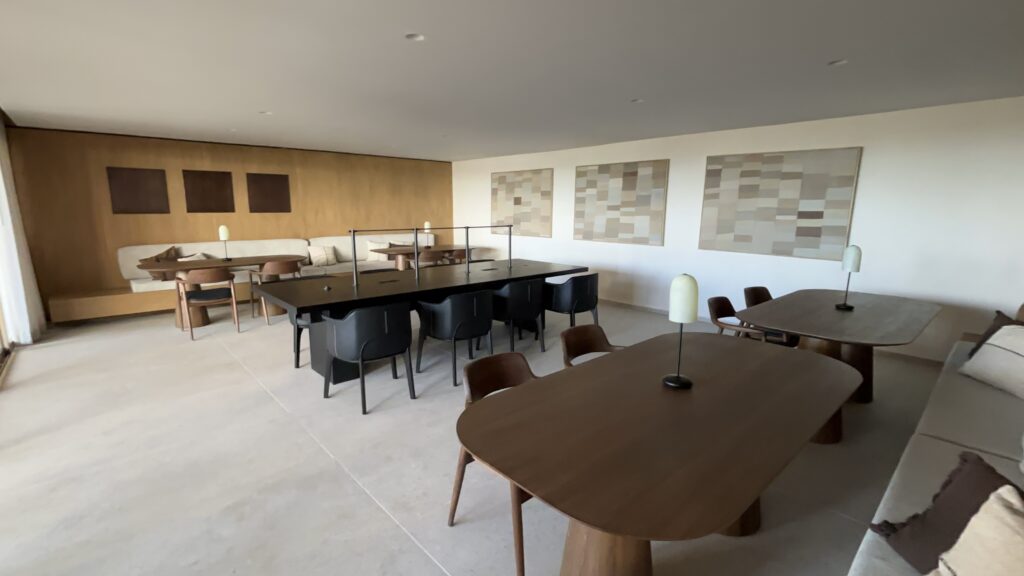
3. Social Areas: Spaces That Strengthen Residential Communities
One of the biggest transformations in vertical housing is that modern developments are no longer focused only on creating buildings.
They are designed to create communities.
For this reason, social areas have become amenities with strong perceived value among buyers.
Some examples include:
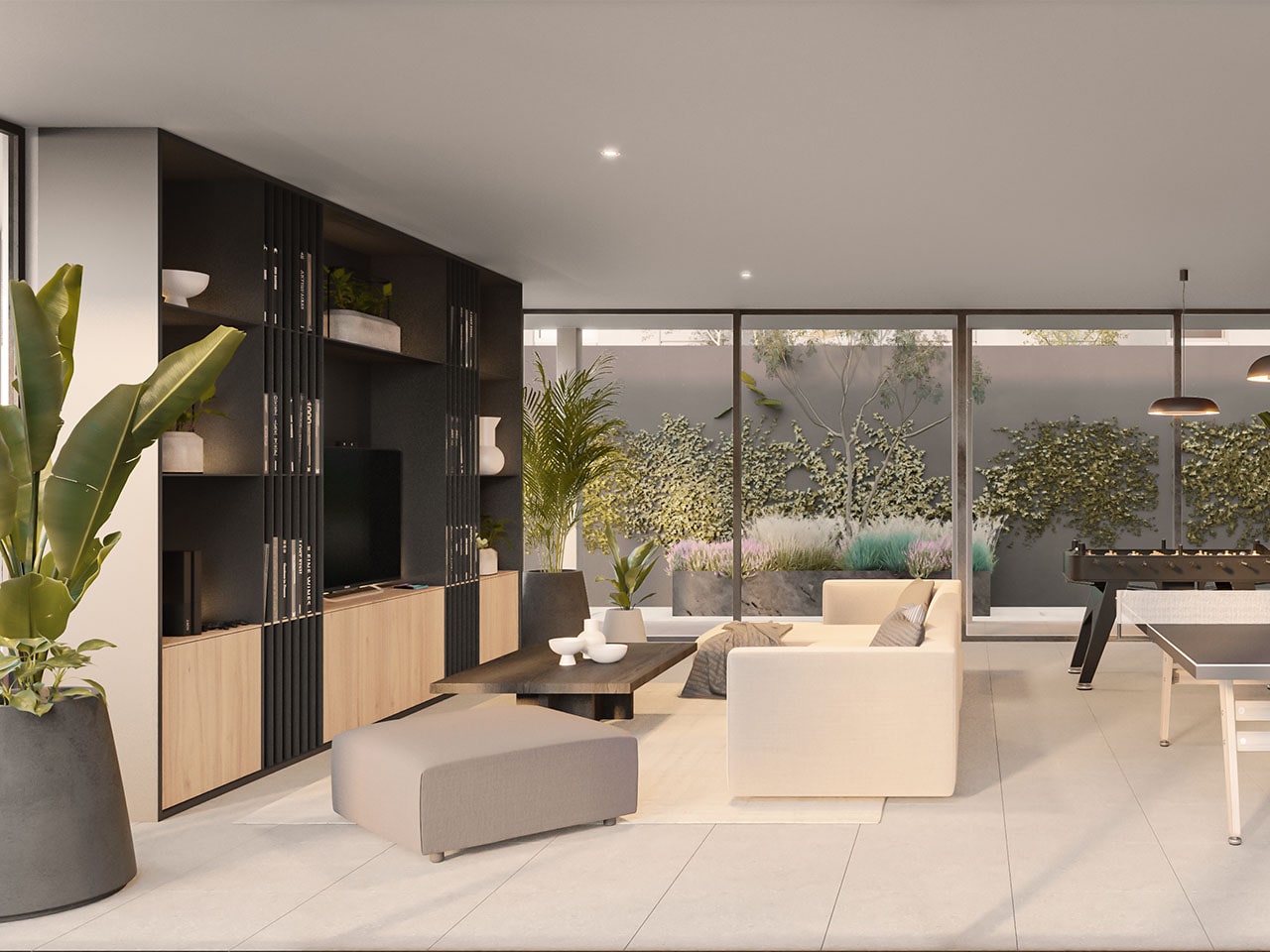
- Multipurpose rooms.
- Rooftop terraces.
- Social lounges.
- BBQ areas.
- Outdoor gathering spaces.
- Small event areas.
These spaces allow residents to enjoy comfortable areas for gatherings without needing to leave the development.
They also provide benefits for different types of buyers:
- Families who enjoy hosting guests.
- Professionals who work remotely.
- Residents looking to build connections within their community.
A property that offers functional social spaces can stand out from other options available in the market.
The value is not only in the space itself, but in the lifestyle experience it creates.
4. Green Areas: Amenities That Provide Wellness and Emotional Value
The integration of nature into real estate developments has become an increasingly valued feature.
Green areas can provide benefits such as:
- Better visual experiences.
- A sense of tranquility.
- Spaces for walking and relaxation.
- Greater connection with the surrounding environment.
In cities where urban growth has reduced open spaces, having gardens, landscaping, and outdoor areas represents an additional advantage.
Beyond aesthetics, these spaces contribute to creating more pleasant environments for residents.
According to ONU-Hábitat well-planned urban spaces should support quality of life, social interaction, and residents’ overall well-being.
For this reason, developments that combine nature, architecture, and thoughtful urban design can better respond to changing buyer expectations.
5. Pet-Friendly Spaces: A Growing Need Among Buyers
The relationship between people and their pets has also influenced the way residential projects are designed.
Today, many buyers consider it important that their home supports a comfortable lifestyle for their pets.
Examples of pet-friendly amenities include:
- Pet areas.
- Walking spaces.
- Cleaning stations.
- Adapted outdoor areas.
These features respond to an important social change:
Pets have become part of many families’ lifestyles.
A development that recognizes this need can become more attractive for specific buyer profiles.
6. Security and Operational Services: Amenities That Are Not Always Visible but Create Value
Although many people associate amenities only with recreational spaces, less visible elements can also influence property value perception.
Examples include:
- Controlled access.
- Professional administration.
- Proper maintenance.
- Internal communication systems.
- Well-maintained common areas.
A property may have many amenities, but if they are not properly maintained, their value decreases over time.
The operational quality of a development is essential for preserving the residential experience and protecting long-term property appeal.
Attractive Amenities vs. Amenities That Actually Create Value
Not all amenities have the same impact on a purchasing decision.
Some features may immediately attract attention during a property tour, but they do not necessarily provide long-term advantages.
Amenities With Higher Potential Impact
Coworking Spaces
These respond to new work models and can be especially attractive in business-oriented locations.
They provide:
- Convenience.
- Professional environments.
- Flexibility for residents.
Gyms and Wellness Areas
These support healthier lifestyles and improve everyday experiences.
They can appeal to buyers who value:
- Exercise.
- Wellness.
- Convenience.
Functional Social Areas
These encourage community interaction and increase the usefulness of the development.
They can benefit:
- Families.
- Couples.
- Residents who enjoy entertaining guests.
Security and Efficient Administration
These elements help preserve the quality of the development over time.
A well-managed community can maintain stronger value perception.
Green Areas
These provide:
- Comfort.
- Visual appeal.
- Relaxation spaces.
- Lifestyle benefits.
Amenities That Should Be Evaluated Carefully
Not every attractive feature automatically creates value.
Some amenities require deeper analysis.
Highly Specialized Spaces
A very specific amenity may have limited usefulness depending on the resident profile.
A feature that appeals to one group may have little impact on another.
Large Recreational Areas With High Maintenance Costs
An impressive facility can become a disadvantage if it significantly increases maintenance fees.
Buyers should consider not only the experience today, but also the long-term cost of keeping the space operational.
Features Designed Only for Visual Appeal
A beautiful amenity may look impressive during a visit, but if it does not solve a real need, its impact on purchasing decisions may be limited.
The key question should always be:
Does this amenity genuinely improve the experience of living in the property?

How to Evaluate Amenities Before Buying a Condo
Before choosing a property based only on the number of amenities, buyers should analyze several important points.
1. Determine Whether the Amenities Match the Target Market
Not every buyer looks for the same features.
Someone purchasing a condo to live in may prioritize:
- Gym.
- Green spaces.
- Security.
- Social areas.
Meanwhile, an investor may focus more on:
- Appeal for future tenants.
- Differentiation from competing properties.
- Demand in the area.
The right amenities depend on the final user profile.
2. Analyze Location Before Amenities
A key principle in real estate is remembering that excellent amenities cannot replace poor location.
Proximity to:
- Business centers.
- Universities.
- Hospitals.
- Shopping areas.
- Major roads.
continues to be one of the strongest factors influencing long-term property value.
The Sociedad Hipotecaria Federal (SHF) highlights that location remains a determining factor in housing value behavior.
A condo with fewer amenities but an excellent location may outperform a property with many amenities in a less desirable area.
3. Review Common Area Maintenance
An amenity creates value when it remains functional over time.
Before purchasing, consider asking:
- Who manages the development?
- How are common areas maintained?
- Is there a conservation plan?
- Are maintenance fees aligned with the services provided?
Maintenance directly affects both the living experience and future property perception.
Examples of Amenities Within Grupo VEQ Developments
Grupo VEQ develops real estate projects considering that every buyer has different needs, lifestyles, and investment objectives.
Its developments incorporate spaces designed to complement the residential experience by combining:
- Strategic locations.
- Functional architecture.
- Lifestyle-focused spaces.
- Quality residential environments.
Some examples include:
Alana Wellness Living – Nuevo Vallarta
Alana Wellness Living is designed around a wellness-oriented concept that integrates spaces focused on:
- Relaxation.
- Comfort.
- Balance.
- Lifestyle experiences.
Its approach responds to a growing trend among buyers who are looking for more than just a property.
They are seeking a place where architecture, surroundings, and amenities contribute to a better everyday experience.
For residents interested in wellness and quality of life, these elements become important factors when choosing a home.
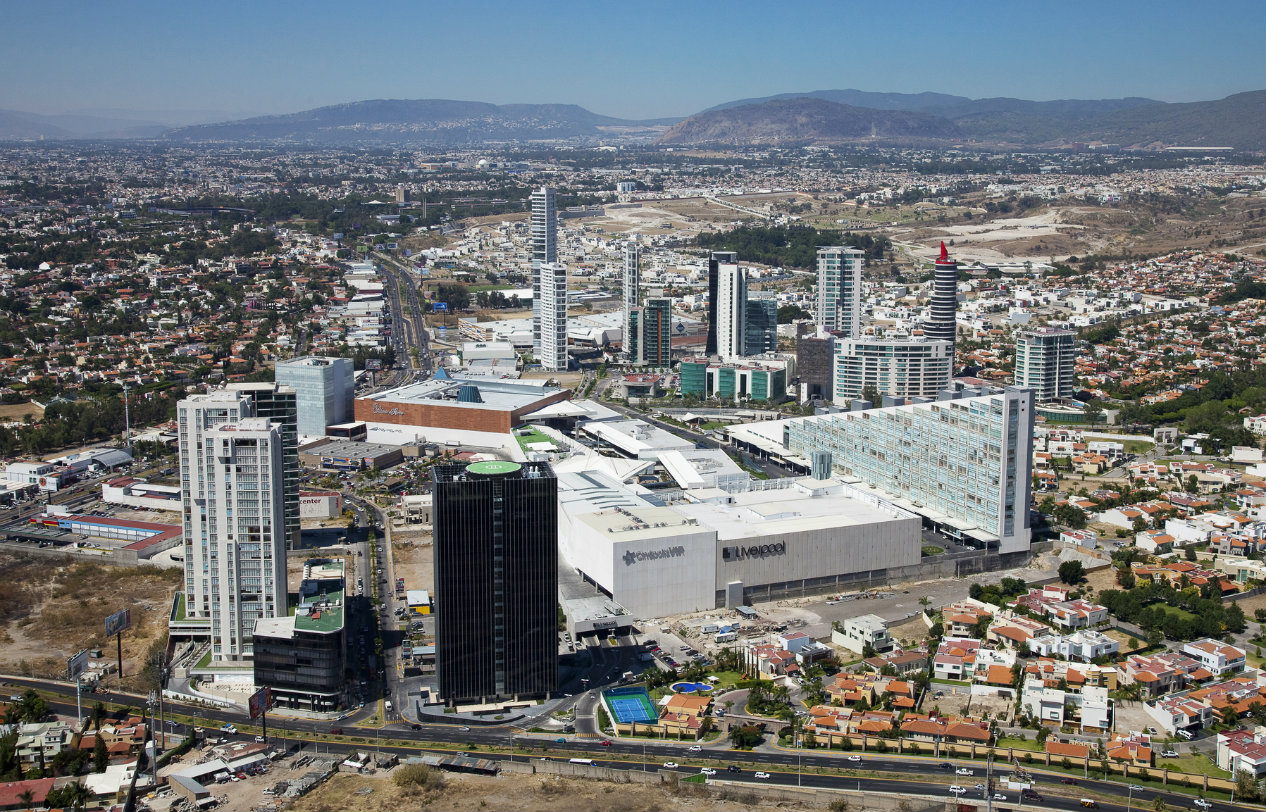
Lírica Towers – Guadalajara / Zapopan
Located in an area with strong business, commercial, and university activity, Lírica Towers responds to buyers who value:
- Connectivity.
- Urban lifestyle.
- Access to services.
- Efficient mobility.
Its location allows residents to enjoy proximity to important destinations while maintaining a practical daily routine.
The integration of common spaces complements a residential proposal focused on experience, convenience, and modern urban living.
For investors, strategic location and lifestyle features can also contribute to the attractiveness of the property for future tenants.
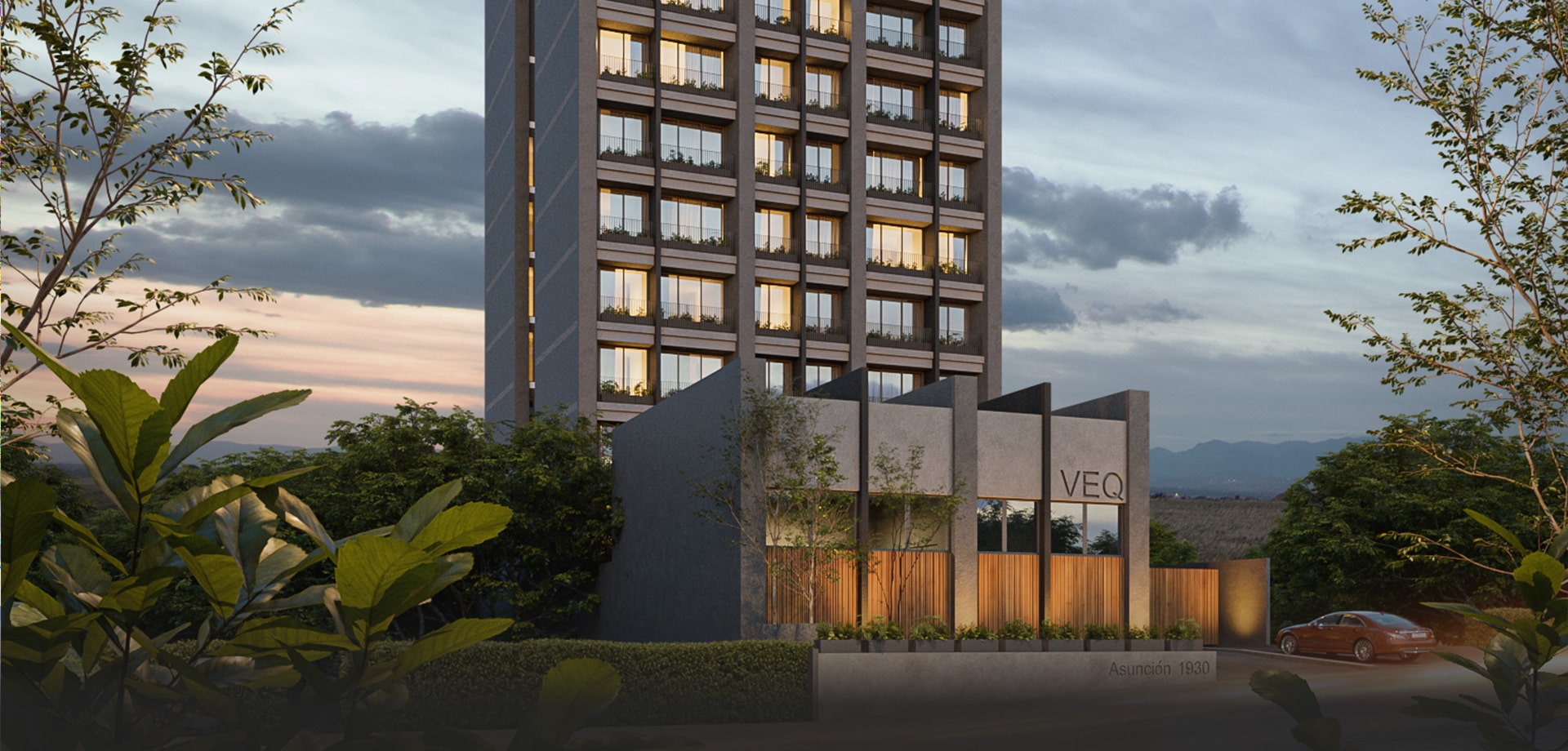
VEQ Brasilia – Guadalajara
Located in a consolidated area of Guadalajara, VEQ Brasilia represents an option for buyers looking to combine:
- Location.
- Design.
- Comfort.
- Urban convenience.
Its surroundings provide access to services, restaurants, and commercial areas, creating a residential experience aligned with buyers who value connectivity and accessibility.

Do Amenities Really Increase the Value of a Condo?
One of the most common questions among buyers is whether paying for a development with more amenities automatically means purchasing a more valuable property.
The answer depends on how those amenities are integrated into the project and how relevant they are for the target market.
In real estate, property value is not determined by a single element.
Factors such as:
- Location.
- Market demand.
- Construction quality.
- Architectural design.
- Economic conditions.
all influence long-term value.
According to the Sociedad Hipotecaria Federal (SHF), housing value is influenced by characteristics of the property and the surrounding environment.
For this reason, an amenity creates greater value when it meets three important conditions:
1. It Solves a Real Need
An amenity should improve the resident’s daily experience.
Examples:
Coworking space can be highly valuable in areas with strong business activity.
Gym can appeal to buyers with active lifestyles.
A social area can attract residents who value community and shared experiences.
The strongest amenities are those that become part of everyday life.
2. It Is Well Designed and Properly Maintained
An amenity loses value when it is not preserved correctly.
A space that looks impressive during the first months of operation can become a disadvantage if it deteriorates over time.
Professional administration plays an essential role in:
- Maintaining common areas.
- Protecting the residential experience.
- Preserving the development’s appeal.
A well-managed property can maintain stronger value perception over time.
3. It Matches the Location and Buyer Profile
There is no universal list of perfect amenities.
The ideal features depend on:
- City.
- Neighborhood.
- Buyer profile.
- Lifestyle.
- Investment goals.
A development aimed at professionals may prioritize:
- Coworking spaces.
- Connectivity.
- Social areas.
A wellness-focused project may emphasize:
- Green spaces.
- Relaxation areas.
- Recreational facilities.
The most valuable amenities are those aligned with the people who will actually use them.
Amenities and Property Appreciation: How Are They Connected?
Real estate appreciation depends mainly on structural factors such as:
- Location.
- Urban growth.
- Infrastructure.
- Market demand.
Amenities alone do not determine whether a property will increase in value.
However, they can help differentiate a development from competing options.
A condo located in a high-demand area and complemented by functional amenities may have a stronger competitive advantage.
This differentiation can influence:
- Future buyer interest.
- Resident satisfaction.
- Ease of resale.
- Rental demand.
In competitive real estate markets, features that improve everyday living can become meaningful differentiators.
Amenities From a Real Estate Investor’s Perspective
For investors, amenities should be analyzed differently.
The main question is not only:
“How attractive are these amenities?”
The more important question is:
“Do these features make the property more attractive to future buyers or tenants?”
Several elements should be considered:
Rental Demand
A condo with functional amenities may appeal more strongly to specific tenant profiles.
Examples:
Professionals may value:
- Coworking spaces.
- Location.
- Connectivity.
Families may prioritize:
- Social areas.
- Safety.
- Green spaces.
Long-term residents may appreciate:
- Comfort.
- Services.
- Convenient facilities.
Differentiation From Competing Properties
When multiple condos are available in the same area, amenities can become a deciding factor.
A development that offers a complete residential experience may stand out compared with more traditional properties.
The difference is not simply having more spaces.
It is offering spaces that improve the resident experience.
Long-Term Value Preservation
A well-managed development with functional amenities and proper maintenance can help preserve the property’s appeal over time.
Investors should evaluate:
- Quality of administration.
- Maintenance standards.
- Resident experience.
- Market positioning.
A property’s long-term performance depends on the complete ecosystem surrounding it.
Common Mistakes When Choosing a Condo Based Only on Amenities
Although amenities can provide value, buyers often make mistakes by focusing exclusively on them.
Choosing Only Based on the Number of Amenities
More amenities do not always mean a better investment.
A development with many common areas may not be the best option if:
- The location is weak.
- Demand is limited.
- Maintenance costs are excessive.
The right question is not:
“How many amenities does it have?”
The better question is:
“Do these amenities improve the value and experience of the property?”
Ignoring Maintenance Costs
Some amenities require significant investment to operate and maintain.
Before purchasing, buyers should understand:
- Maintenance fees.
- Included services.
- Administration quality.
- Future operating costs.
A beautiful amenity is only valuable when it can remain functional over time.
Not Analyzing Location
A condo with excellent amenities but poor location may face challenges in attracting future buyers or tenants.
Location continues to be one of the strongest principles in real estate.
A strategic location combined with functional amenities creates a stronger overall proposition.
Checklist: Do Condo Amenities Actually Add Value?
Before choosing a property, it is important to determine whether the amenities represent a real advantage or simply an attractive feature.
Use the following checklist to evaluate their true value:
Functionality
Do the available spaces respond to your current needs and improve your daily lifestyle?
Consider whether the amenities provide practical benefits that you will actually use.
Examples:
- A coworking space that supports your work routine.
- A wellness area that encourages healthy habits.
- A social area that allows comfortable gatherings.
The most valuable amenities are those that become part of everyday life.
Development Management
Does the project have proper administration to maintain common areas over time?
Review:
- Who manages the development.
- Maintenance standards.
- Operational quality.
- Long-term conservation plans.
Well-managed amenities contribute more effectively to preserving the residential experience.
Real Use of Shared Spaces
Do the amenities provide practical value or are they only visually attractive?
Analyze whether the spaces are designed around real resident needs.
A beautiful feature may attract attention initially, but functionality determines its long-term value.
Location and Surrounding Environment
Does the location strengthen the benefits offered by the development?
Consider whether the area provides:
- Access to services.
- Connectivity.
- Employment centers.
- Schools.
- Shopping.
- Recreation.
Amenities work best when they complement a strong location.
Maintenance Costs
Are the maintenance fees aligned with the quality and operation of the amenities?
Evaluate:
- Monthly costs.
- Services included.
- Future expenses.
- Administration quality.
A balanced relationship between amenities and maintenance costs helps protect the property’s long-term value.
Future Appeal
Can these amenities make the property more attractive to future buyers or tenants?
Consider whether the development offers features that may support:
- Better market positioning.
- Stronger demand.
- Easier resale.
- Rental appeal.

Conclusion: The Best Amenities Are the Ones That Improve the Way People Live
Condo amenities have become an increasingly important element in real estate purchasing decisions.
However, their true value is not determined by the number of amenities a development offers, but by how effectively they respond to the needs of the people who will use them.
Features such as:
- Wellness spaces.
- Coworking areas.
- Green spaces.
- Social areas.
- Efficient services.
can enhance the residential experience and strengthen the perceived value of a property.
Even so, other factors remain essential when evaluating a real estate purchase:
- Location.
- Development quality.
- Market demand.
- Architectural design.
- Long-term potential.
Choosing a condo is not only about acquiring square footage.
It is about selecting a space that supports a lifestyle and maintains value over time.
Grupo VEQ develops real estate projects where architecture, strategic locations, and complementary spaces come together to create residential experiences aligned with modern buyer expectations.
Are you looking for a condo that combines design, location, and amenities created around your lifestyle?
Schedule a consultation with Grupo VEQ and discover the available options.
SELECT HERE FOR MORE INFORMATION
References:
- Instituto Nacional de Estadística y Geografía. (2021). 2020 Population and Housing Census: Main results. INEGI. https://www.inegi.org.mx/programas/ccpv/2020/
- Programa de las Naciones Unidas para los Asentamientos Humanos. (2020). The New Urban Agenda Illustrated. https://unhabitat.org/es/the-new-urban-agenda-illustrated
- Sociedad Hipotecaria Federal. (2026). SHF Housing Price Index in Mexico, First Quarter 2026. Government of Mexico. https://www.gob.mx/shf/articulos/indice-shf-de-precios-de-la-vivienda-en-mexico-primer-trimestre-de-2026
- BBVA Research. (2026). Real Estate Situation Mexico. First Half 2026. https://www.bbvaresearch.com/publicaciones/mexico-situacion-inmobiliaria-primer-semestre-2026/
- Grupo VEQ. (2026). Real estate development portfolio. https://grupoveq.com/desarrollos/