What Do Capital Appreciation and Yield Mean for Your Real Estate Investment?
Understanding capital appreciation vs. real estate yield is fundamental for every investor before purchasing a property. These are two different ways to measure the return on a property, and while they are not mutually exclusive, knowing the difference is the first step to making a purchase decision aligned with your financial objectives.
- Capital Appreciation: The increase in market value of a property over time. This depends on factors such as location, infrastructure, connectivity, and urban development of the area.
- Yield: The ability of a property to generate recurring income, primarily through rental (short-term or long-term), expressed as a percentage of the asset’s value.
Neither is inherently “better”; the correct priority depends on your investor profile, time horizon, and risk tolerance.
Generally, there are three profiles:
- Long-term patrimonial investor: prioritizes capital appreciation, seeking properties that steadily increase in value.
- Income-focused investor: focuses on yield and generating constant income.
- Mixed investor: combines both criteria, balancing appreciation and cash flow.
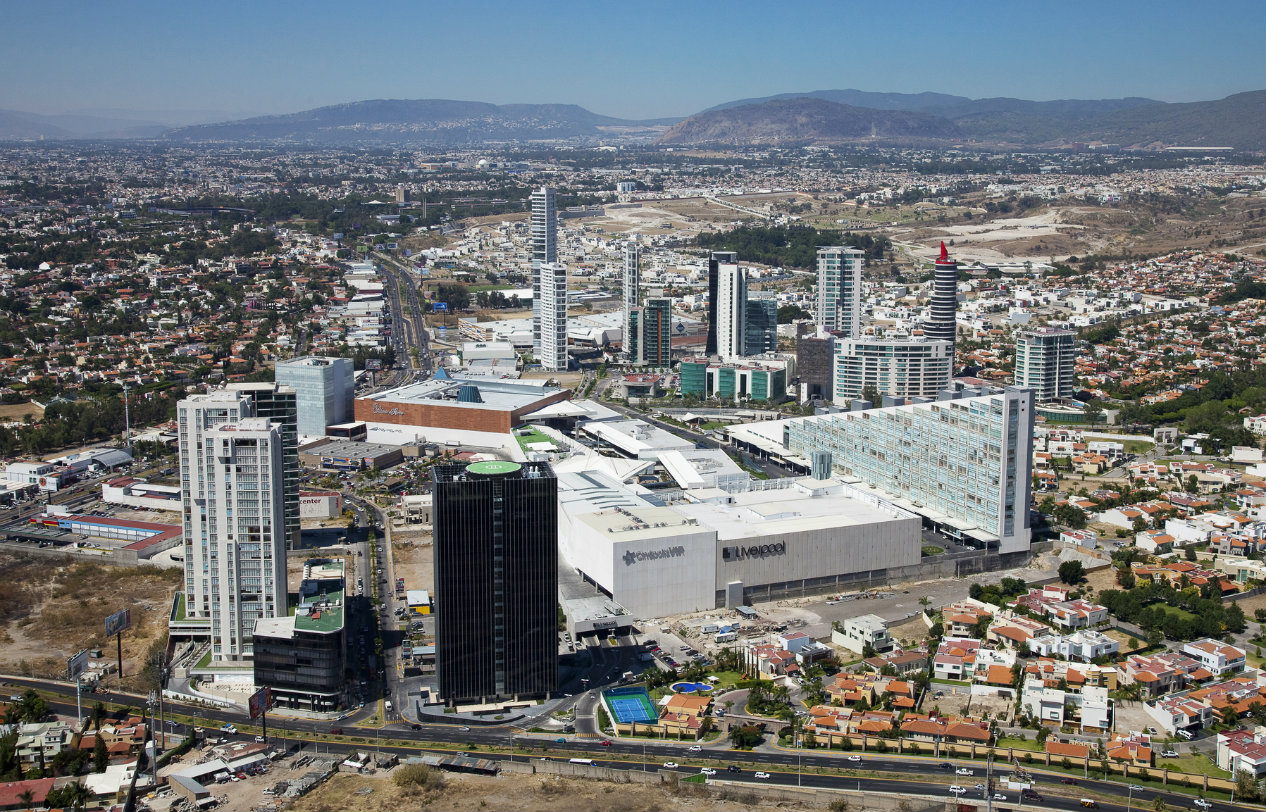
Grupo VEQ develops projects in various Mexican cities — Guadalajara, Zapopan, León, Tijuana, Cancún, and Nuevo Vallarta — tailored to these three investor profiles.
1. Defining Your Priorities Based on Investor Profile
- Long-term patrimonial investor: Seeks long-term investments with high projected appreciation. An example from Grupo VEQ’s portfolio is Meridiano 101 in León, Guanajuato, located in an area combining commercial and residential growth, ideal for capitalizing on mid-term city revaluation.
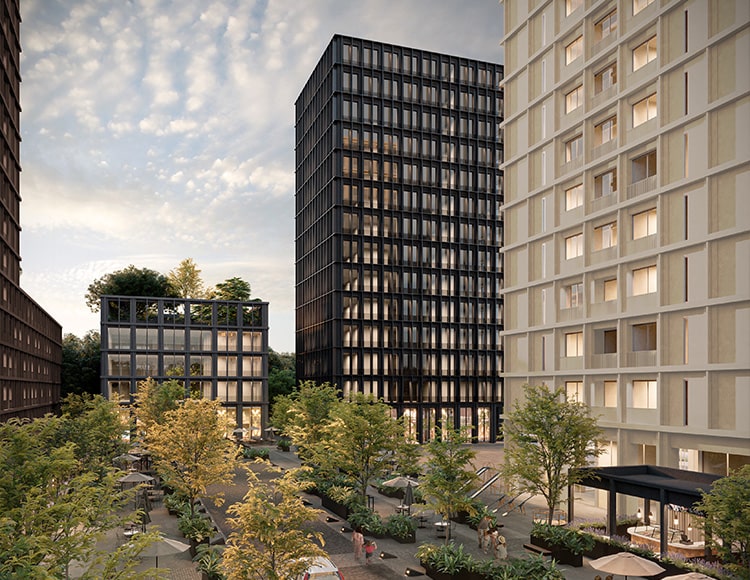
- Income-focused investor: Prioritizes properties with high rental demand, consistent returns, and strong occupancy. Lírica Towers in Zapopan is a mixed-use development — condos, offices, and a dining corridor — minutes from Andares, designed to capture both executive and student rental markets.
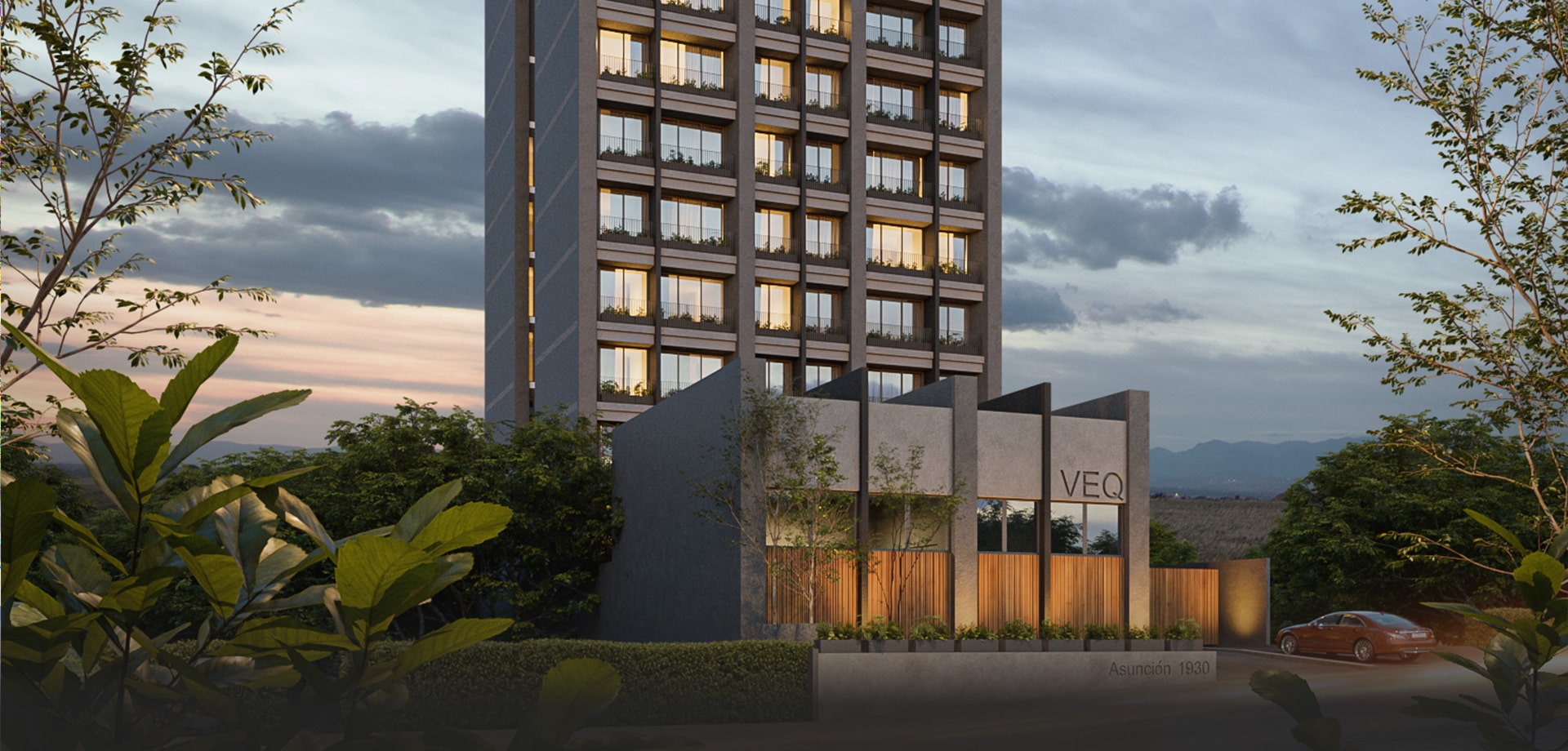
- Mixed investor: Seeks balance between appreciation and cash flow. VEQ Brasilia, in the Providencia neighborhood of Guadalajara, is located in one of the city’s most dynamic real estate zones, with potential for both appreciation and rental income.
Outside Jalisco and Guanajuato, Grupo VEQ also has a presence in markets like Tijuana (Black Eleven, in La Cacho), Cancún (Okün Living), and Nuevo Vallarta (Alana Wellness Living), broadening the options for investors looking to diversify geographically across industrial, urban, and tourism-driven markets.
2. Capital Appreciation: How to Measure and Project Growth
Capital appreciation depends on multiple factors: location, infrastructure, connectivity, and public development projects, as well as the overall economic cycle of the country.
According to the SHF Housing Price Index by the Federal Mortgage Society, the value of homes acquired through mortgage credit grew 8.7% annually during the first quarter of 2026. The national average appraisal value of a home was MXN 2,024,337, with a median of MXN 1,331,000.
The growth is not uniform across cities. In Q1 2026, the Guadalajara Metropolitan Area saw 12.5% growth, Tijuana 11%, Monterrey 9.3%, and León 8.2%, all at or above the national average. This confirms that the cities where Grupo VEQ has a presence are among the markets with the highest appreciation today.
The BBVA Research Semiannual Mexico Real Estate Report complements this insight: private construction maintains sustained growth, supported by the gradual recovery of bank credit, sustaining demand for new housing in cities with expanding industrial and service activity, such as Guadalajara and León.

3. Yield: Rental Cash Flow and Stability
Yield measures the ability of a property to generate income through leasing, typically expressed as a capitalization rate (cap rate): annual net operating income divided by property value.
According to the CBRE Mexico Investment Sentiment Survey, Q1 2026, 83% of institutional investors plan to maintain or increase their real estate exposure this year in a context of greater macroeconomic stability. The survey indicates cap rates remained generally stable compared to 2025, with slight expansion in industrial, logistics, retail, and business hotels, opening selective opportunities for investors seeking steady cash flow.
Financing costs also directly affect leveraged investor yield. According to Banco de México, the Board of Governors maintained the Overnight Interbank Interest Rate at 6.50% in June 2026, after a cycle of cuts that started from a historical high of 11.25% in 2023. A lower reference rate reduces mortgage costs and improves the margin between financing expenses and rental income.
For income-focused investors, key factors include:
- Real rental demand in the area (not just supply).
- Historical occupancy capacity of the property or comparable condos.
- Maintenance, management, and vacancy costs.
- Sensitivity of rental income to interest rate changes.
Developments like Lírica Towers (near corporate and university corridors in Zapopan) or VEQ Brasilia (in a consolidated neighborhood in Guadalajara) are designed to capture stable rental demand.
Investment strategy based on your profile
- Define your real objective: wealth-builder, cash-flow investor, or hybrid. This determines which variables to prioritize before comparing properties.
- Evaluate location using data, not just perception: check how the SHF Index has behaved in the specific metro area before assuming that «the whole city» appreciates equally.
- Weigh projected appreciation against expected rental income: use institutional sources — SHF, BBVA Research, CBRE — instead of informal estimates from sellers.
- Factor in financing costs: with Banxico’s reference rate lower than it was in 2023–2024, your leverage math may change meaningfully.
- Choose developments aligned with your profile: Grupo VEQ offers options across different cities and segments, from projects with a strong appreciation component to developments built for active rental income.
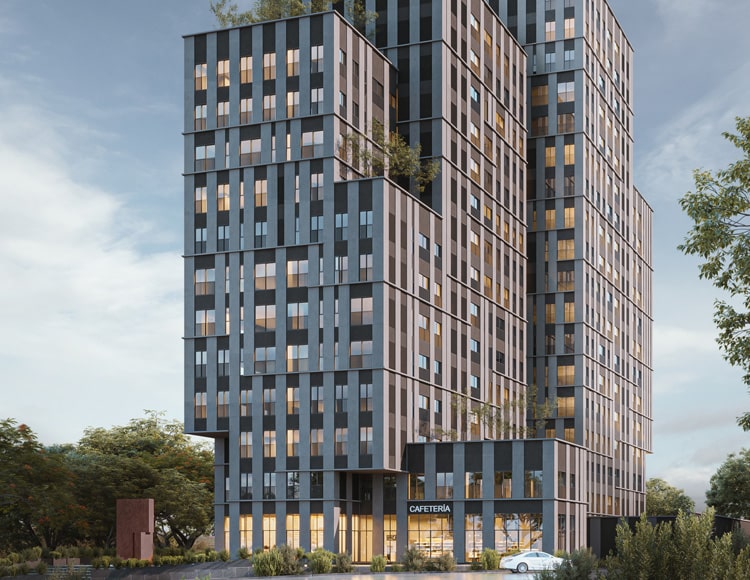
Choosing between appreciation and rental yield shouldn’t be an intuitive decision — it should be the result of market analysis, cash-flow projections, and a clear strategy based on your investor profile. With more than two decades of experience and a presence in cities like Guadalajara, Zapopan, León, Tijuana, Cancún, and Nuevo Vallarta, Grupo VEQ has built a diverse portfolio designed both for those looking to capitalize on appreciation in growing markets and for those who prioritize stable rental income.
Still not sure whether your next investment should prioritize appreciation or rental yield? Schedule a personalized consultation with the Grupo VEQ team and find out, based on your profile and budget, which of our developments best fits your goals.
CLICK HERE FOR MORE INFORMATION →
References:
- Banco de México. (2026). Monetary policy announcement, June 25, 2026. Economic Information System. https://www.banxico.org.mx/SieInternet/consultarDirectorioInternetAction.do?accion=consultarCuadro&idCuadro=CF111&locale=es§or=18
- BBVA Research. (2026). Situación Inmobiliaria México. First half of 2026. https://www.bbvaresearch.com/publicaciones/mexico-situacion-inmobiliaria-primer-semestre-2026/
- CBRE Mexico. (2026, February 19). Investors double down on Mexico: 83% will maintain or increase their real estate investment in 2026 [Press release]. Real Estate Investment Sentiment Survey in Mexico, Q1 2026. https://www.cbre.com.mx/press-releases/encuesta-de-sentimiento-de-inversion-en-mexico-1t-2026
- Grupo VEQ. (2026). Development portfolio. https://grupoveq.com/desarrollos/
- Sociedad Hipotecaria Federal. (2026). SHF House Price Index in Mexico, first quarter of 2026 [Press bulletin 03/2026]. gob.mx. https://www.gob.mx/shf/es/articulos/indice-shf-de-precios-de-la-vivienda-en-mexico-primer-trimestre-de-2026