In 2026, informed investors are no longer guided by passing trends. Before allocating capital to a tourist destination, they want clarity on three critical factors: whether demand is real, whether pricing is supported by fundamentals, and whether returns can be sustained over time.
Within that context, Los Cabos has established itself as one of the strongest real estate markets in Latin America for both domestic and international capital. Not because of hype — but because of data.
Strong and Consistent Tourism: The Foundation of Rental Investment
Returns in tourist real estate depend first and foremost on visitor flow. Without solid tourism, there is no occupancy. Without occupancy, there is no ROI.
Los Cabos closed 2025 with nearly 3.8 million visitors. The number is impressive not only in volume, but in trajectory: it represents approximately 130% growth over the past decade. This indicates structural expansion rather than a temporary boom.
Average annual hotel occupancy remains around 70%, one of the most stable levels in Mexico. Additionally, the Average Daily Rate (ADR) reached approximately $440 USD — the highest in the country. This means the destination attracts not just volume, but high-spending visitors.
For investors, these figures answer a fundamental concern: demand is neither fragile nor purely seasonal. The market demonstrates consistent absorption capacity even as inventory grows.
Price Per Square Meter: Premium, Yet Supported
One of the most common concerns when evaluating investment in Los Cabos is whether prices are inflated or supported by sustainable appreciation.
In premium zones, prices can reach up to 153,000 MXN per square meter. These figures position the destination among the most expensive real estate markets in Mexico. However, price alone does not define risk — underlying support does.
Three key factors reinforce pricing strength:
- Strong participation from foreign buyers
- Transactions largely conducted in U.S. dollars
- Limited inventory in consolidated prime areas
When a market combines consistent international demand with constrained supply in strategic locations, long-term value growth tends to follow. Appreciation in Los Cabos is not speculative — it is structurally driven.
Strategic Comparison: Stability vs. Volatility
Many investors compare Los Cabos with Tulum, which experienced aggressive price increases in recent years. However, that growth has shown higher volatility and heavy reliance on short-term tourism.
Los Cabos, by contrast, combines:
- A consolidated vacation rental market
- Medium- and long-term stay demand
- A recurring international visitor profile
- Higher average accommodation rates
This mix reduces operational risk and allows for more predictable income projections.
On an international level, comparisons are often made with Miami. Miami is a mature, institutionalized market with significant competition from institutional capital. That dynamic increases entry barriers and compresses percentage-based appreciation potential.
Los Cabos offers a different profile: an internationally recognized destination with lower saturation and stronger percentage growth potential.
Rental Market: Consistent and Adaptable Cash Flow
Hotel performance often signals what occurs in alternative rentals. When a destination sustains occupancy levels near 70% annually and leads in ADR, the environment also supports:
- Condos
- Boutique developments
- Properties within the tourist corridor
Expanded air connectivity, infrastructure growth, and a diversified hospitality ecosystem have lengthened average stays and broadened visitor profiles. This creates opportunities for both short-term vacation rentals and medium-term stays.
Practically speaking, a well-located asset can generate cash flow while appreciating in value — combining rental income and capital appreciation.
Inventory Absorption and Price Strength
A less visible but critical metric for sophisticated investors is inventory absorption.
The market entered 2025 with hundreds of millions of dollars in reported sales, with more than 90% of properties closing near their listing prices. This indicates limited discount pressure.
When a market requires price reductions to move inventory, projected returns weaken. In Los Cabos, current dynamics reflect sustained demand strength.
The Importance of Micro-Location Within the Destination
Investing in a strong destination is only the first step. The second — and often more decisive — factor is the specific micro-location within the tourist corridor.
San Jose del Cabo has become one of the most stable premium residential areas in terms of price per square meter. It is not an emerging speculative zone; it is fully integrated into the destination’s high-end hotel and residential ecosystem.
This provides:
- Limited inventory in a consolidated location
- Proximity to luxury hospitality infrastructure
- An international buyer profile transacting primarily in U.S. dollars
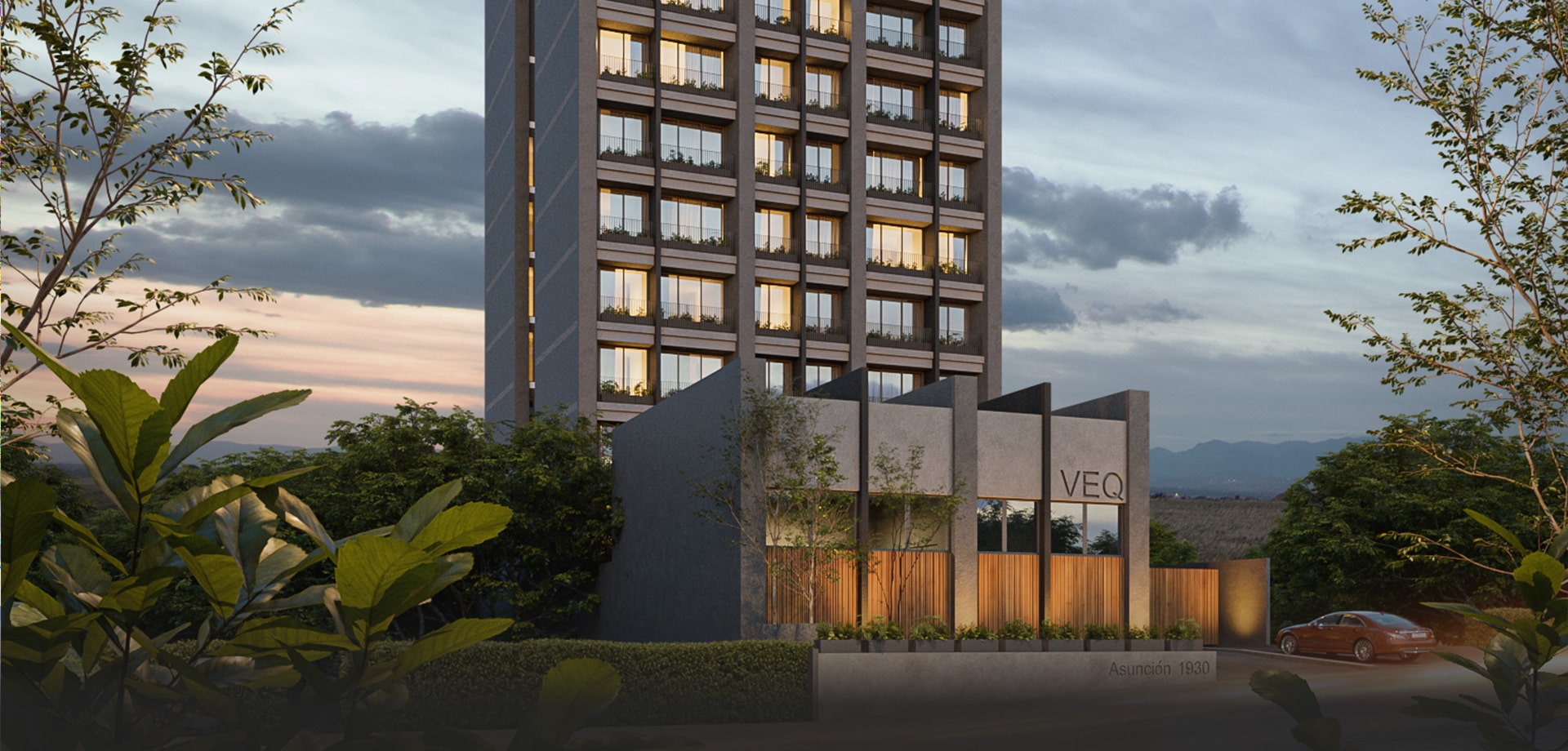
Within this environment, Alana Cerro Colorado by Grupo VEQ represents a development aligned with these structural conditions: strategic positioning, internationalized demand, and strong market fundamentals.
Investing in 2026: A Rational Market Reading
Sophisticated capital does not chase trends. It evaluates tourism growth, pricing behavior, inventory absorption, and buyer profiles.
With millions of annual visitors, Mexico’s leading ADR, consistent occupancy, premium pricing supported by fundamentals, and stable international demand, Los Cabos maintains conditions that support ROI through both rental income and dollar-denominated appreciation.
Investing in 2026 is not an emotional decision.
It is an informed reading of the market cycle.
SELECT HERE FORE MORE INFORMATION