For decades, the traditional hotel model dominated tourist destinations around the world. Major chains, all-inclusive packages, and standardized rooms set the benchmark for quality stays.
But both tourism and the real estate market are changing.
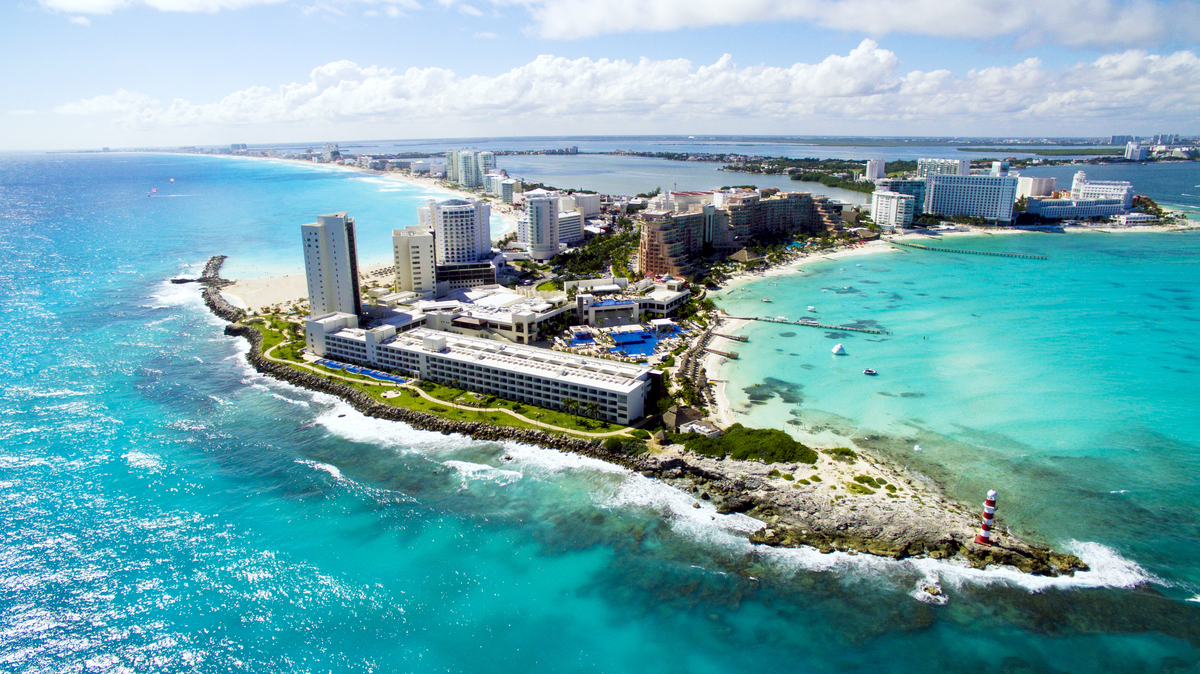
Today, the model of managed residences and profitability—private units that combine formal ownership with hotel-style services—is growing rapidly, especially in destinations like Cancún, where demand goes beyond short stays and increasingly reflects the need for flexibility, lifestyle, and long-term financial performance.
Work-Life Balance Redefined: Not Just Vacationing, but Living
The way we live and work has changed. The concept of work-life balance is no longer limited to physical offices or traditional homes. For professionals and executives who relocate temporarily or long-term to tourist destinations, the logic is clear: they don’t want to choose between working and enjoying life.
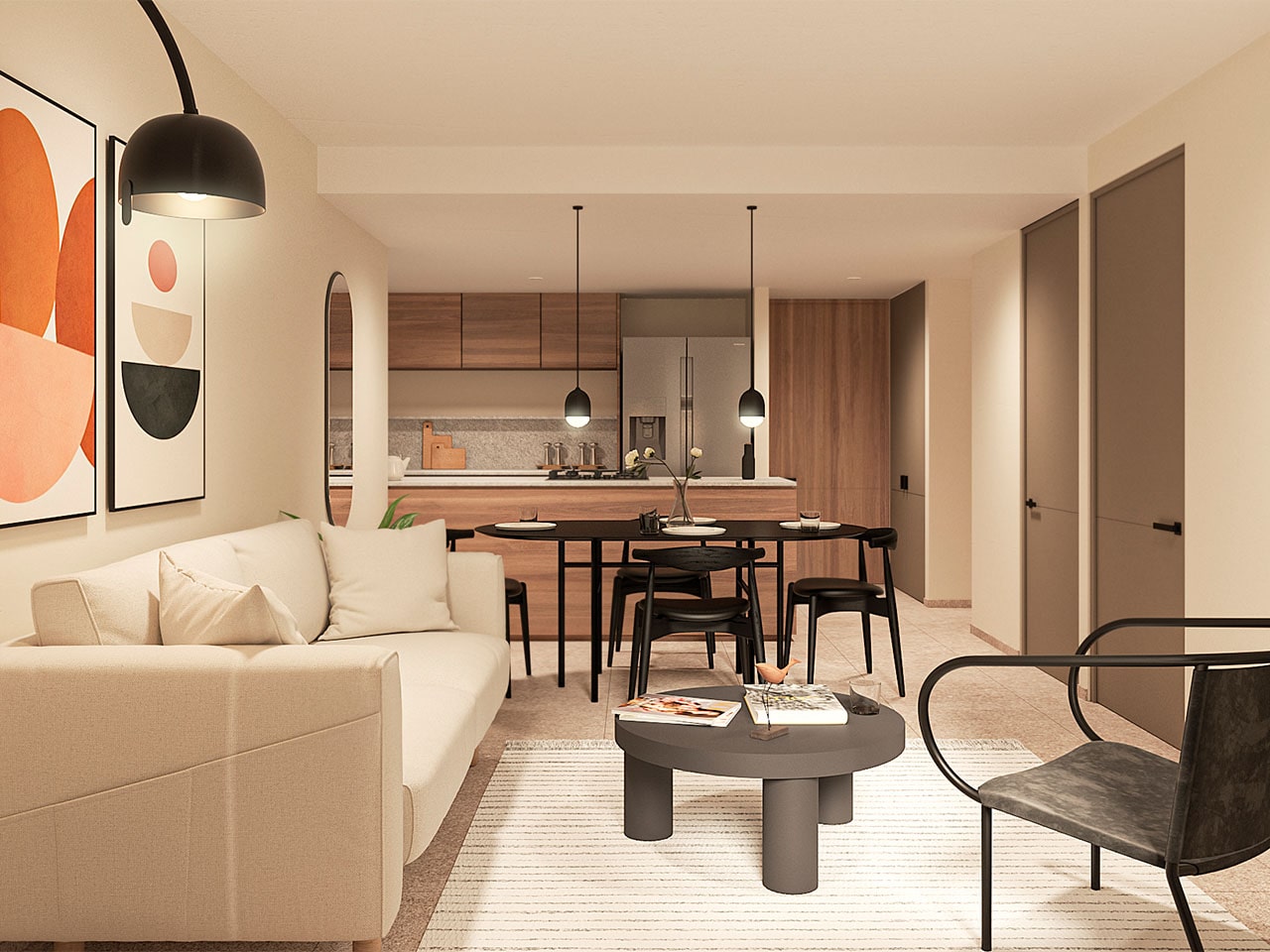
In this context, managed residences offer a clear advantage: spaces designed for everyday living with hospitality services built in.
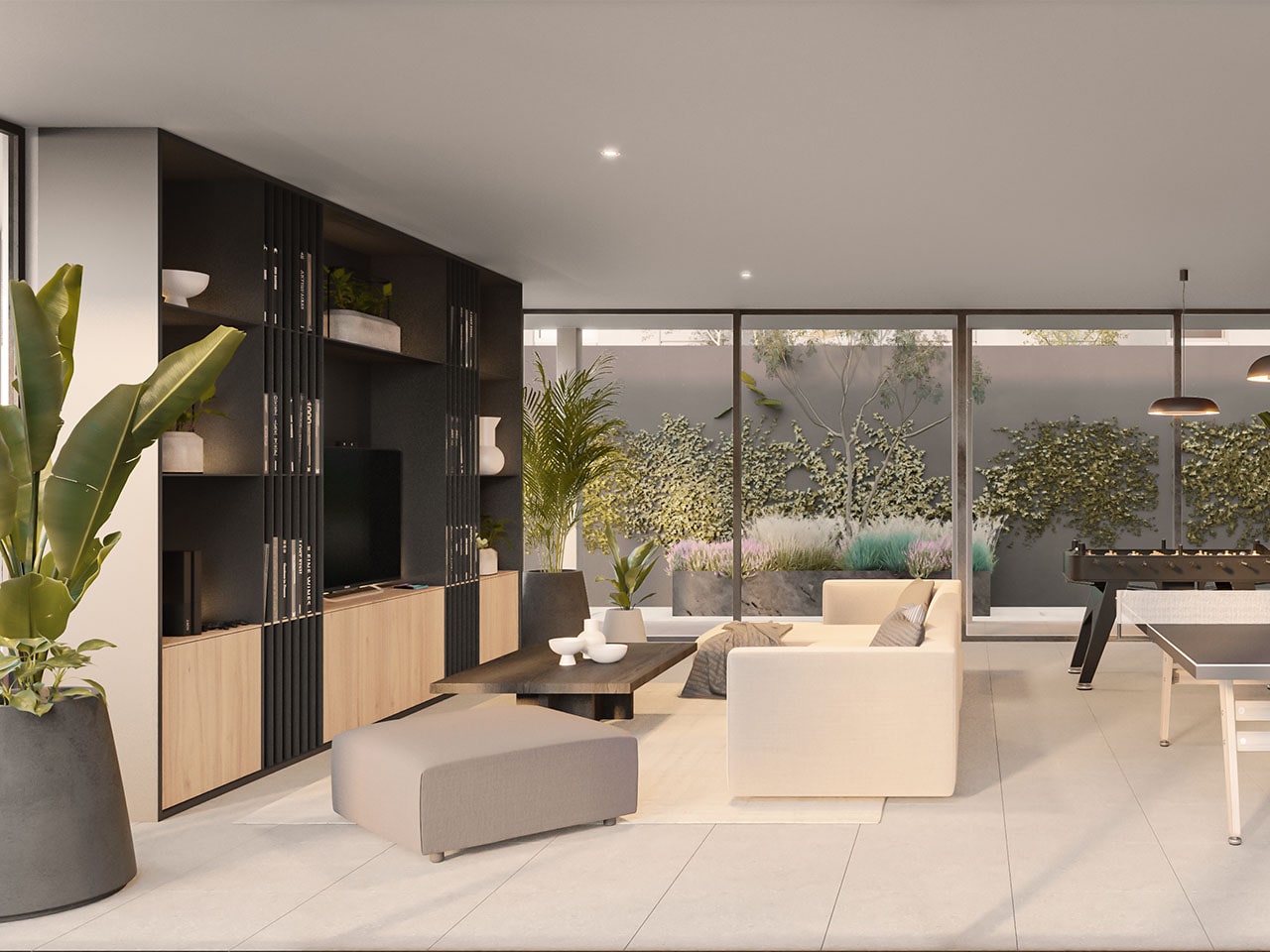
A strong example of this is the integration of Business Centers with inspiring views and areas designed for comfortable work without losing connection to the surrounding environment. For many professionals and digital nomads, this translates into a direct boost in productivity without sacrificing quality of life.
This combination of services is one of the key reasons why the managed residence concept is gaining ground over the traditional hotel model.
Real Flexibility: The Value of “Condo-Living”
The condo-living model aligns with the new expectations of both travelers and owners: you own your unit, but you can access hotel services whenever you want, including:
- professional property management services
- regular cleaning and maintenance
- guest support for vacation rentals
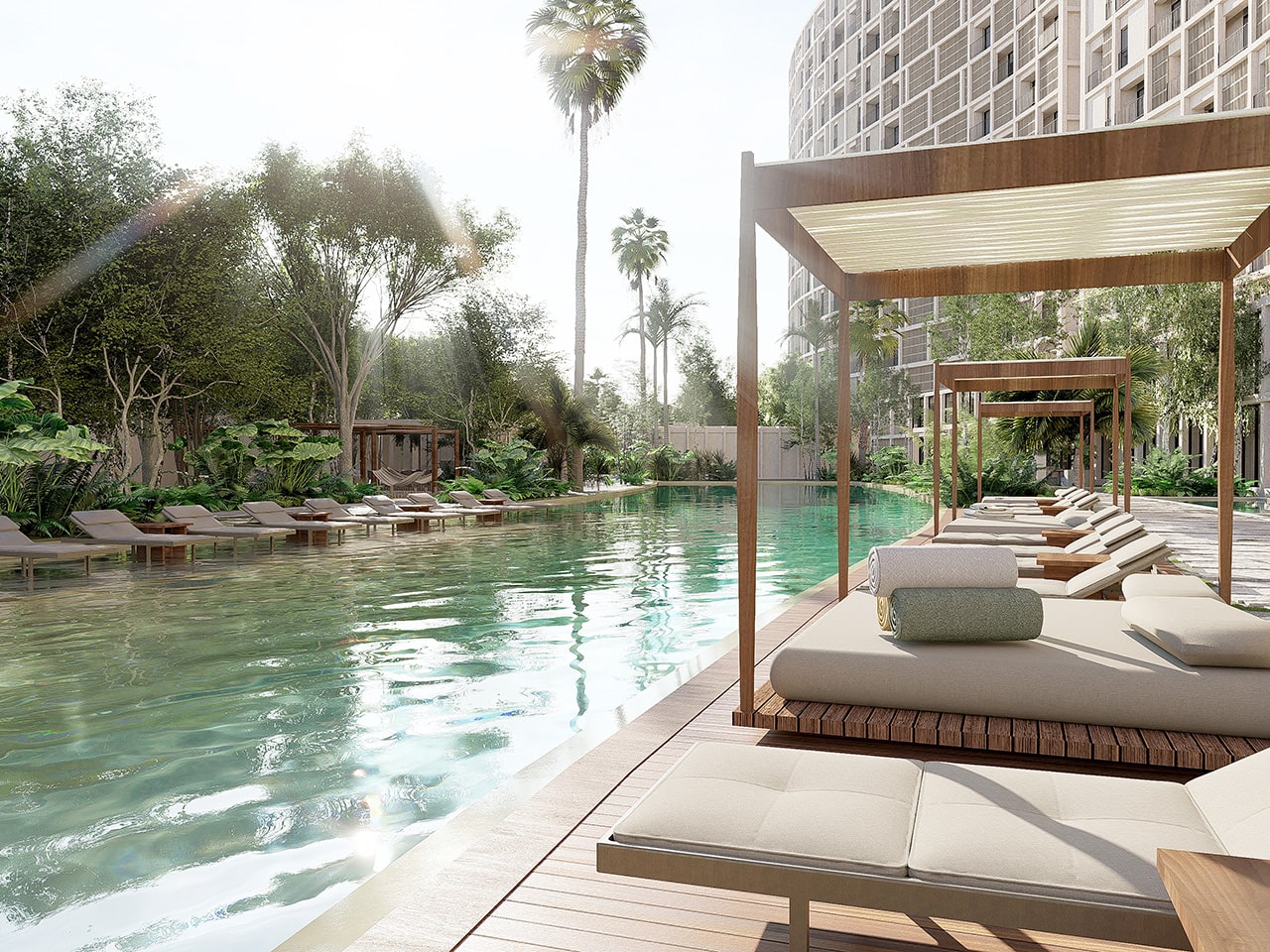
- common areas designed for lifestyle and community
This approach allows owners to generate rental income while still maintaining personal use of the property. It is not just a home—it is an asset that can operate as part of a portfolio backed by real demand.
Market analyses show that this type of offering is increasingly valued by travelers looking for medium- to long-term stays, moving away from the rigidity of hotels and toward more flexible, personalized environments. This helps explain part of the growing demand for managed residences and profitability in mature tourist destinations.
The Rental Market: Data That Supports the Trend
One of the strongest pillars behind the growth of this model is Cancún’s tourism dynamics.
Recent data shows that hotel occupancy in the region remains strong. During the first half of 2025, Cancún and the Riviera Maya reported hotel occupancy rates of approximately 74.5% and 76%, confirming the destination’s strength even outside peak season.
These figures are consistent with other records that place Cancún among the highest-occupancy destinations in the country, frequently within the 70% to 80% range when full seasons are considered.
This sustained occupancy does not only benefit traditional hotel operations. It also supports owners of alternative lodging units, especially in markets where vacation rental platforms have gained significant share.
The shift in demand toward non-hotel options—such as tourist condominiums or serviced residences—is a trend reported in multiple international markets, where the profitability of vacation apartments has outperformed traditional hotels due to flexibility of use and pricing adaptability.
Why Occupancy Matters for Owners
When a city maintains high hotel occupancy levels, it signals sustained lodging demand, which directly impacts:
- average rental rates
- total occupied days per year
- recurring income for well-positioned units
- stronger appeal for professional management
This means managed residences with hotel-style services can capture both:
- tourists seeking medium- or long-term stays
- corporate travelers who require comfort and professional support
That positioning turns the property into an income-generating tool, not just a personal-use space.
Why Managed Residences Are Winning
The answer comes down to several key drivers:
1. Greater Flexibility Than Hotels
Today’s traveler wants freedom: staying for a week, a few months, or even working remotely from a privileged location.
2. Better Work-Life Balance
A Business Center with views of nature or the jungle offers the best of both worlds: a calm setting paired with the ability to operate professionally—something traditional hotels don’t always deliver.
3. Profitability Backed by Strong Occupancy
Cancún’s lodging market has reported consistent occupancy near the 70–80% range, showing demand that does not rely solely on strict vacation seasons.
4. Changing Traveler Preferences
Demand for vacation apartments, serviced units, and managed residences has grown across many mature destinations due to cost efficiency, comfort, and versatility compared to the traditional hotel model.
The New Leadership in Lodging
The rise of managed residences and profitability is not a coincidence or a passing trend. It is the result of market evolution, where connectivity, lifestyle changes, and traveler expectations combine to create a business opportunity that offers:
- greater flexibility
- stronger work-life balance
- consistent rental income potential
- exposure to one of Mexico’s most important tourist destinations
Serviced residences are no longer an alternative to hotels—they are becoming a superior and more profitable option, both for those seeking an open lifestyle and for those who see property as a tool for income and return.
When the model and the location align: Okün Living by Grupo VEQ
In Cancún, not every property can truly operate under the managed residences and profitability model. To consistently capture the mid- and long-stay market, a project needs a very specific combination:
- Strong connectivity (airport, city center, Hotel Zone)
- A setting that feels livable, not just vacation-friendly
- Amenities that genuinely replace hotel-style services
- Functional spaces designed for both work and everyday life
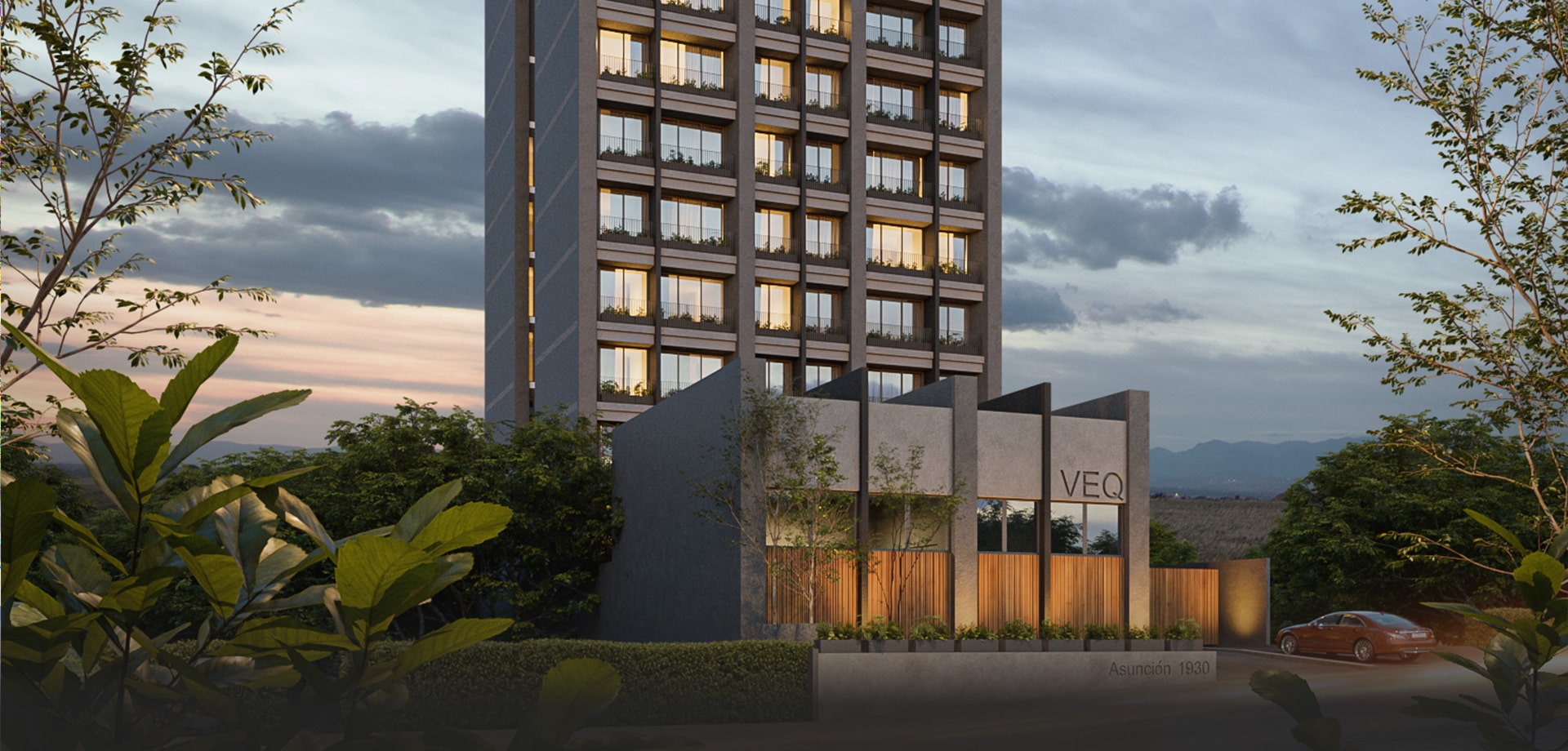
In that context, Okün Living by Grupo VEQ stands out as a development designed specifically to meet this new demand.
Located on Avenida Colosio, behind the Nichupté Lagoon, Okün sits in one of Cancún’s most strategic areas for the type of guest who wants more than a hotel:
a residence that feels like home, but performs like an investment.
In addition, its proximity to key infrastructure strengthens the property’s operational value:
- Approximately 16 minutes from Cancún International Airport
- Just 5 minutes from the upcoming Nichupté Bridge, which will provide a more direct connection to the beaches and the Hotel Zone
- Minutes away from essential services such as Plaza Las Américas, Hospital Galenia, and supermarkets
And most importantly for this investment approach: Okün includes a Business Center, a differentiator that is becoming increasingly valuable in today’s market. Because modern travelers and investors are no longer looking for rest alone — they are looking for productivity, comfort, and a truly livable experience.
In short:
Okün doesn’t compete with a traditional hotel.
It competes with the new standard of hospitality: a managed residence with rental potential and a higher lifestyle value.
SELECT HERE FORE MORE INFORMATION